The Skill of the Hand in the Kitchen: Why Feel Is Essential to Great Culinary Craftsmanship

The Skill of the Hand in the Kitchen: Why Feel Is Essential to Great Culinary Craftsmanship
In an age of digital recipes, precision scales, and smart thermometers, it’s easy to forget that cooking, at its heart, is a craft. A great meal isn’t just the result of following instructions—it’s the product of understanding ingredients, sensing their textures, and responding to what you see, smell, and feel. The skill of the hand—the tactile awareness of how food transforms—is what separates the mechanical from the masterful.
When the Recipe Isn’t Enough
Recipes are valuable starting points, but they can’t account for every variable. A dough behaves differently depending on humidity, flour type, and temperature. A steak reacts differently depending on how long it’s been out of the fridge. The skilled cook knows when the dough needs a few more kneads or when the pan is just hot enough—not because it’s written down, but because their hands and senses tell them so.
Developing that intuition takes time and experience. It’s about letting go of strict control and learning to trust your senses. Once you begin to read the signals your food gives you, the kitchen becomes a place of intuition rather than instruction.
Læs også:
The Rhythm and Presence of Craft
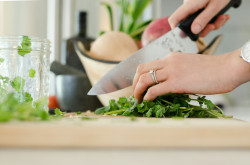
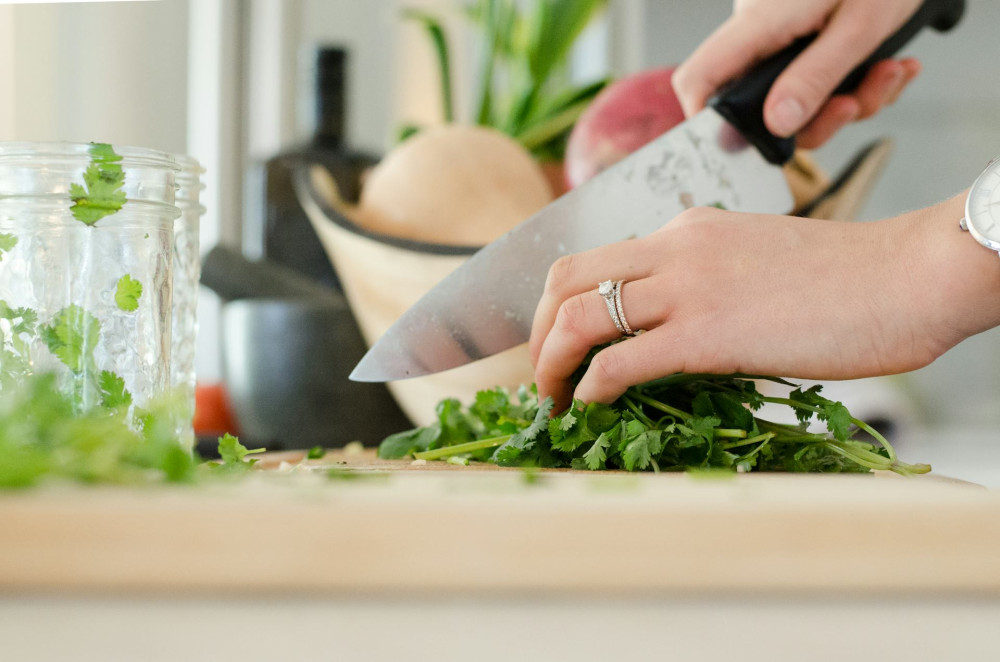
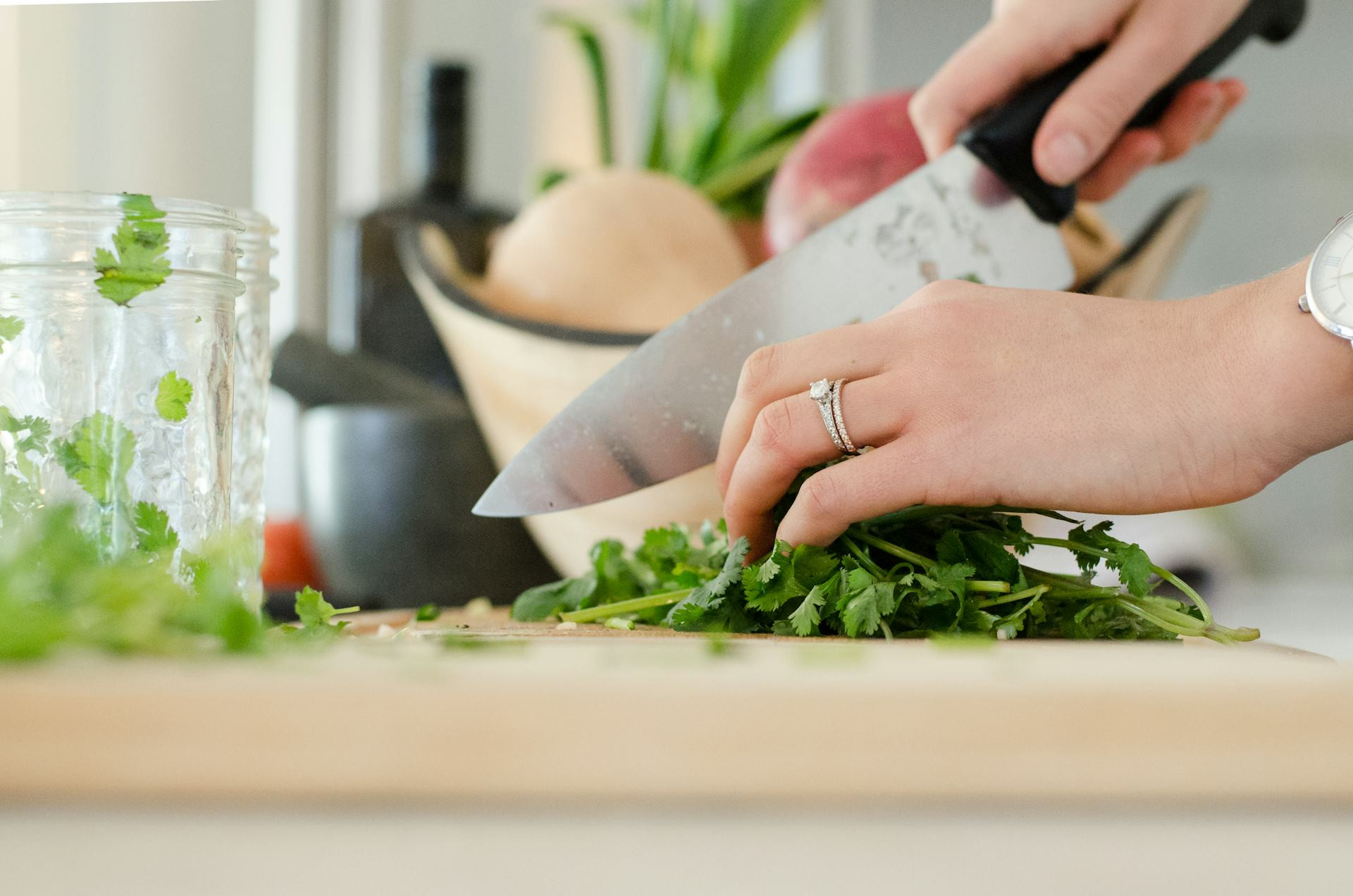
There’s a rhythm to good craftsmanship in the kitchen. When you chop vegetables, knead dough, or whisk a sauce, a physical connection forms between your body and the ingredients. In that rhythm, many cooks find a sense of calm and focus—a kind of moving meditation.
Using your hands is also a way to understand the nature of food itself. You feel how butter softens into flour, how a fresh fish should feel, or how a sauce thickens as it nears perfection. This is knowledge that can’t be learned from a book—it’s learned through repetition, attention, and touch.
The Senses as Tools
Sight, smell, hearing, and touch are as essential as knives and pans. An experienced cook can hear when onions are beginning to caramelize or smell when bread is perfectly baked. These instincts develop when you learn to trust and actively use your senses.
Take breadmaking, for example. A recipe might say to let the dough rise for an hour, but a seasoned baker knows that time isn’t the key—feel is. The dough should feel airy, elastic, and alive. It’s your hands, not the clock, that tell you when it’s ready.
Tradition and Innovation Hand in Hand
In many traditional cuisines—from Italian to Japanese—the skill of the hand is central to culinary culture. Techniques and gestures are passed down through generations, and apprentices learn by watching, touching, and repeating. It’s a form of silent knowledge that lives in the body rather than on the page.
Yet this approach doesn’t conflict with modern cooking. In fact, the best chefs today bridge tradition and technology. They use thermometers and sous vide machines, but they also know that technology is only a tool—not a replacement for the experience of the hand.
Rediscovering Feel in Everyday Cooking
For most of us, the goal isn’t to become professional chefs, but to rediscover the joy of cooking with our hands. Try kneading bread by hand instead of using a mixer, taste your food as you go, and adjust based on what you experience. The more you work directly with ingredients, the better you’ll understand them.
Cooking then becomes more than a chore—it becomes a sensory experience, a moment of presence. And perhaps that’s where the secret of great culinary craftsmanship lies: in the feel, the rhythm, and the quiet knowledge of the hands.
Læs også: