Blender or Food Processor? How to Get the Most Out of Your Kitchen Appliances

Blender or Food Processor? How to Get the Most Out of Your Kitchen Appliances
When you’re in the kitchen chopping, blending, or pureeing, it can be tricky to know which appliance is best for the job. Both the blender and the food processor can handle a variety of tasks—but they’re designed for different purposes. Understanding the difference can save you time, improve your results, and extend the life of your appliances. Here’s a guide to help you get the most out of both.
What’s the Difference?
Although they may look similar, blenders and food processors work in different ways.
- The blender is designed for liquids and semi-liquids. Its tall jar and powerful vortex pull ingredients down toward the blades, making it ideal for smoothies, soups, sauces, and purees.
- The food processor, on the other hand, is built for solid ingredients. It has a wide bowl and interchangeable blades and discs that can chop, slice, shred, and knead. It’s perfect for vegetables, dough, nuts, and cheese.
In short: the blender excels with liquids, while the food processor shines with solids.
When to Use Your Blender
A blender is your go-to tool when you want a smooth, uniform texture. It’s especially great for:
- Smoothies and shakes – blending fruit, greens, and liquid into a creamy drink.
- Soups and purees – think creamy tomato soup or silky mashed potatoes.
- Sauces and dressings – like pesto, aioli, or vinaigrette, where ingredients need to emulsify.
- Frozen drinks and cocktails – the blender can crush ice and mix cold beverages evenly.
A helpful tip: always add the liquid first so the blades can move freely. If you often make hot soups, consider a blender that can handle high temperatures or even heat ingredients as it blends.
When the Food Processor Is the Better Choice
The food processor is your best friend when you need to prep ingredients quickly and precisely. It can:
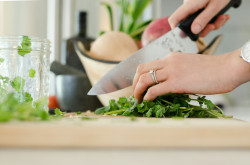
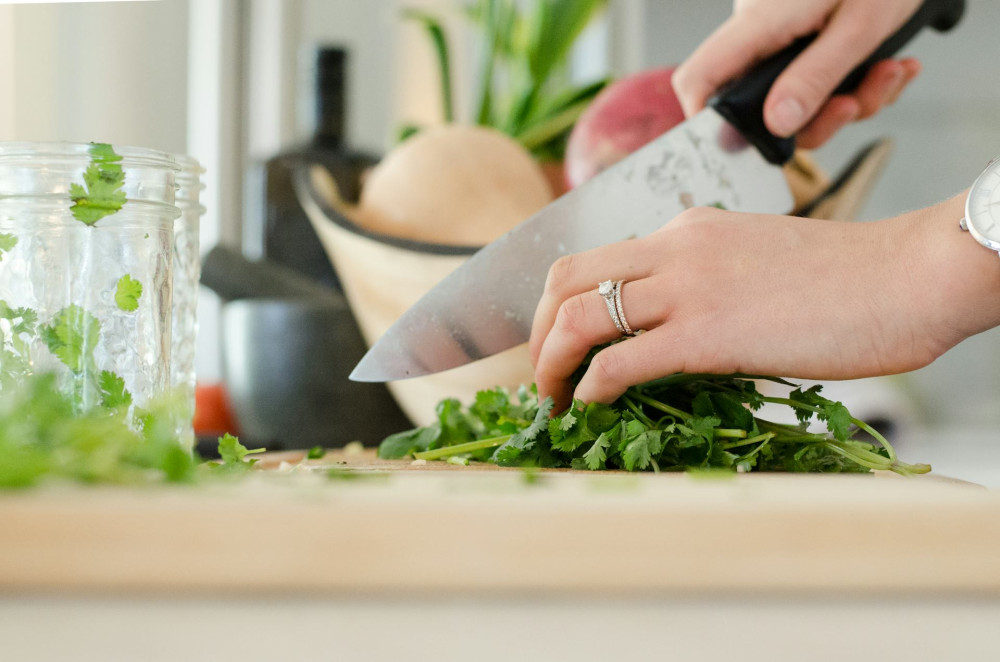
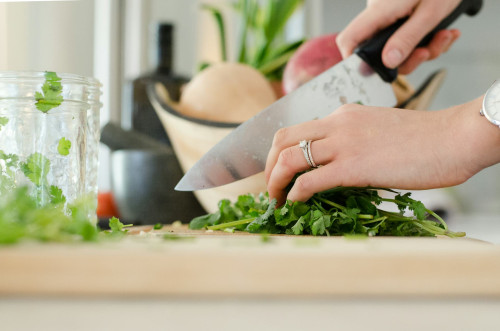
- Chop and slice vegetables – perfect for onions, carrots, cabbage, and herbs.
- Shred cheese or veggies – using the included shredding and slicing discs.
- Knead dough – for pie crusts, bread, or cookies.
- Chop nuts or make nut butter – its strong motor can handle tough ingredients.
- Prepare dips and fillings – like hummus, falafel mix, or crab cakes.
The food processor is ideal for saving time on prep work and keeping your hands free from endless chopping and grating.
Can You Get by with Just One?
It depends on your cooking habits. If you mostly make smoothies, soups, and sauces, a good blender might be all you need. But if you often cook from scratch—chopping vegetables, making dough, or preparing dips—a food processor is more versatile.
Some people opt for a combo appliance that includes both blender and food processor attachments. This can be a space-saving solution, but keep in mind that combo units are rarely as powerful as two separate machines.
How to Care for Your Appliances
No matter which one you use, proper care will help your appliances last longer.
- Clean right after use – food residue can harden and become difficult to remove.
- Avoid overfilling the bowl or jar – it can strain the motor and lead to uneven results.
- Check the blades regularly – dull blades reduce performance and require more power.
- Store parts dry – moisture can damage the motor and electrical components.
A good habit is to disassemble the parts after each use, wash them thoroughly, and let them dry completely before reassembling.
Læs også:
Get the Most Out of Your Kitchen Gear
Once you understand the difference between a blender and a food processor, cooking becomes easier and more enjoyable. Use your blender for everything smooth and creamy, and your food processor for everything solid and textured. That way, you’ll get the best of both worlds—and take your home cooking to the next level.
Læs også: