Give Your Dish a Seasonal Touch – Food Styling with Atmosphere

Give Your Dish a Seasonal Touch – Food Styling with Atmosphere
Food isn’t just about taste – it’s about the feeling it creates. The first impression of any dish is visual, and that’s where food styling makes all the difference. By letting the season inspire your colors, textures, and props, you can create a dining experience that feels complete and connected to the moment. It’s not about perfection, but about capturing a mood that matches both the food and the time of year.
Let the Season Guide Your Colors
Each season has its own color language. Spring brings fresh greens and soft pastels – think tender herbs, peas, and edible flowers. Summer bursts with vibrant reds, yellows, and blues from ripe tomatoes, peaches, and berries. Fall deepens the palette with warm oranges, browns, and burgundies, while winter invites cooler tones and cozy contrasts.
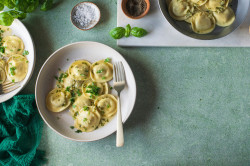
When styling your dish, use these seasonal hues as your guide. A sprinkle of chives on a spring salad or a few ruby pomegranate seeds on a winter plate can instantly anchor your food in the season.
Natural Materials and Textures
Atmosphere comes not only from color but also from texture. Wood, linen, ceramic, and stone add an organic touch that complements most dishes. In summer, choose light fabrics and bright plates; in fall and winter, go for darker backgrounds and rougher textures.
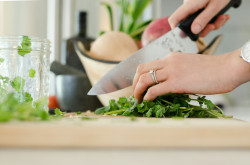
A piece of rustic linen under a bowl or a well-worn cutting board can add depth and warmth to your presentation. The key is balance – your props should support the food, not steal the spotlight.
Light – The Invisible Ingredient
Light is perhaps the most powerful tool in food styling. It can completely change the mood of a photo or a table setting. Soft, natural side light creates a calm, honest atmosphere, while bright sunlight adds energy and freshness. During the darker months, candlelight or a warm lamp can bring a cozy glow.
Think about the story you want to tell: Is it a sunny backyard brunch or a quiet dinner by the fire? Light is what communicates that feeling.
The Details That Make the Difference
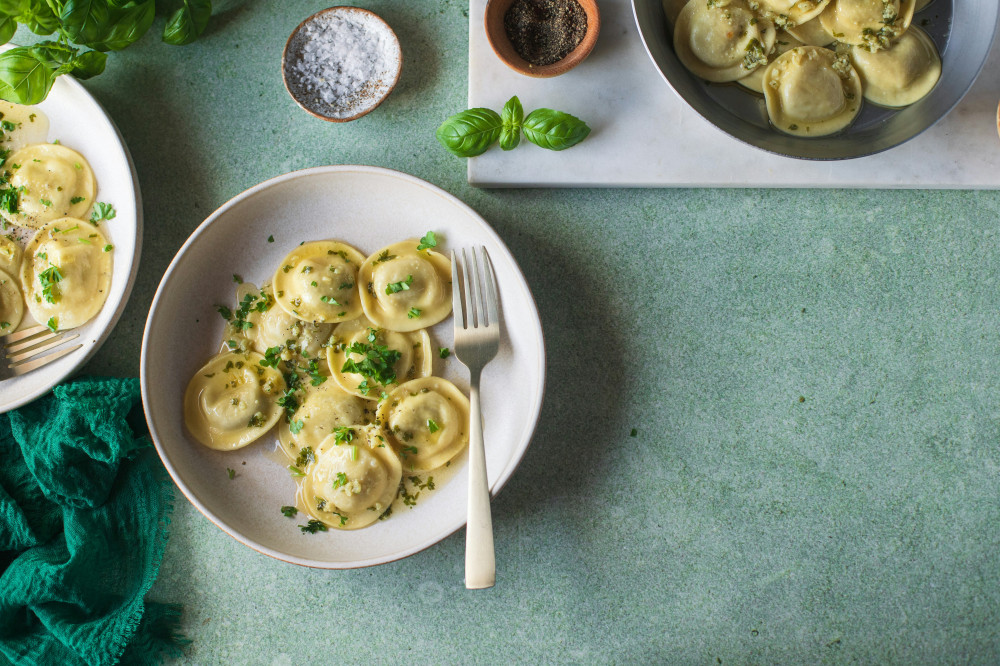
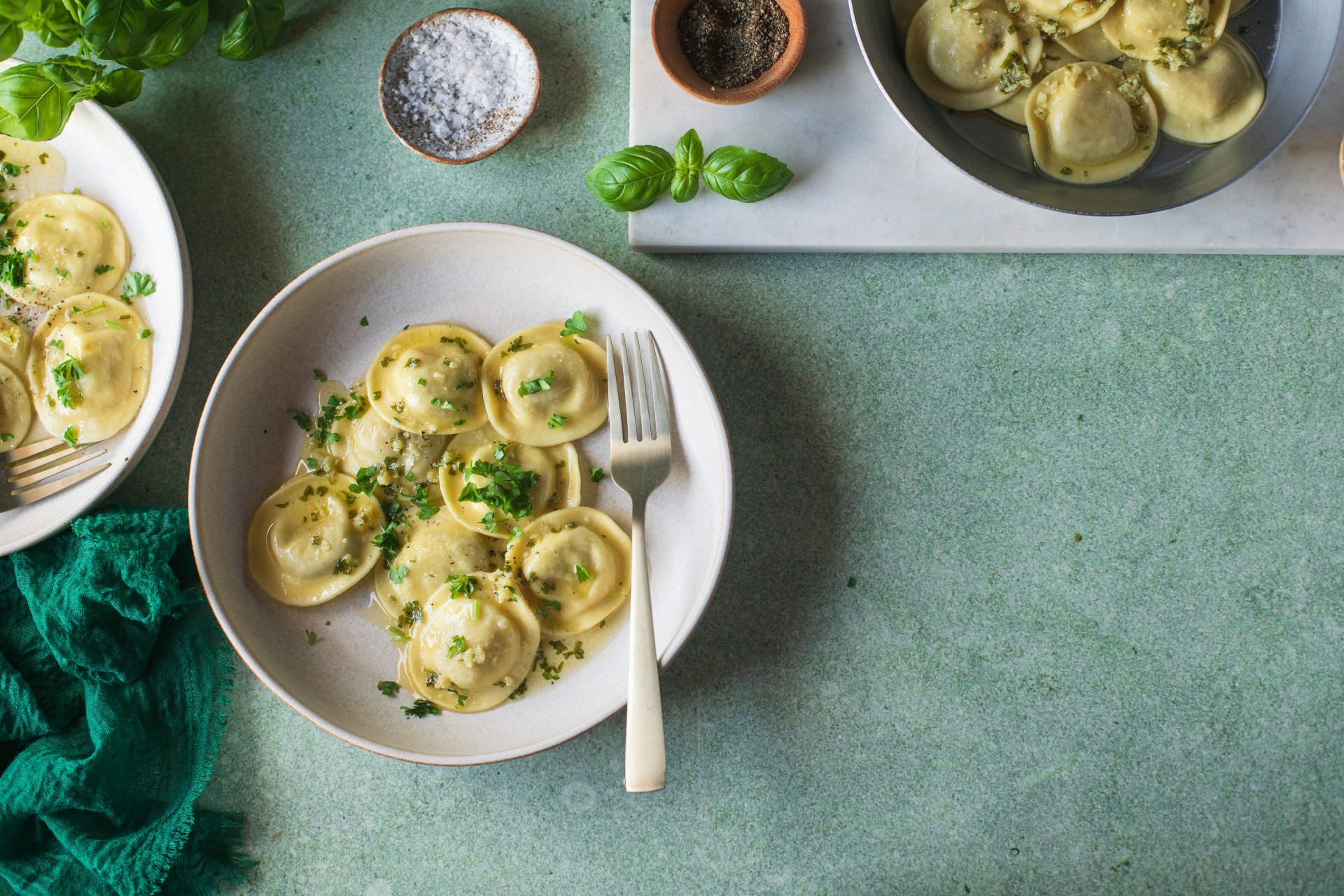
Small details can transform a dish. A pinch of flaky salt, a drizzle of olive oil, or a sprig of fresh thyme can bring life and movement to your presentation. But be careful not to overstyle – too many elements can make the dish look artificial.
Let the food be the star. A casually placed spoon, a folded napkin, or a half-filled glass of wine can be enough to create a sense of story and place.
Seasonal Ingredients as Inspiration
The best food styling starts in the kitchen. When you cook with ingredients that are in season, you naturally get the freshest colors and textures. Strawberries in June, pumpkins in October, citrus in January – every season has its heroes.
By letting seasonal produce guide your palette and mood, your presentation will feel authentic and alive. This is where flavor and aesthetics meet in perfect harmony.
Læs også:
Create Atmosphere, Not Staging
Food styling isn’t about creating a flawless picture – it’s about evoking a feeling. The most inviting styling makes people want to sit down and take a bite. When you work with the rhythm of the seasons, you gain a natural framework for creating that atmosphere – whether it’s a light summer lunch or a hearty winter stew.
So next time you plate a dish, ask yourself: What mood do I want to create? The answer is often right outside your window.
Læs også: