Sustainable Food, Healthy Body – When Climate and Well-Being Go Hand in Hand

Sustainable Food, Healthy Body – When Climate and Well-Being Go Hand in Hand
In recent years, interest in sustainable eating has grown rapidly across the United States. More and more Americans are looking for ways to eat that support both personal health and the planet. But how exactly are our diets connected to the climate—and how can we find a balance that allows us to eat well, live healthily, and care for the environment?
Every Meal Is a Climate Choice
Every time we decide what to put on our plates, we make a choice that affects the planet. Food production accounts for a significant share of global greenhouse gas emissions, and products like red meat, dairy, and heavily processed or imported foods tend to have the largest carbon footprints.
Eating sustainably isn’t just about buying organic or avoiding waste—it’s also about thinking critically about where our food comes from and how it’s produced.
Small changes can make a big difference:
- Cut back on red meat and add more plant-based meals.
- Choose local and seasonal produce whenever possible.
- Reduce food waste by planning meals and using leftovers creatively.
When you buy vegetables from nearby farms instead of imported produce, you support local growers and reduce the emissions from long-distance transportation.
Plants on the Plate – Good for You and the Planet
A diet rich in plants and lower in animal products benefits both the environment and your health. Vegetables, legumes, whole grains, and nuts provide fiber, vitamins, and healthy fats that support digestion, stabilize blood sugar, and lower the risk of chronic diseases such as heart disease and diabetes.
That doesn’t mean you have to become vegetarian overnight. Many people find that a “flexitarian” approach—gradually reducing meat consumption and increasing plant-based meals—is a realistic and sustainable path forward.
Try letting vegetables take center stage in your favorite dishes. Make a lentil chili instead of beef, or use chickpeas and beans as the base for hearty salads and stews.
Eating with the Seasons – Nature’s Rhythm on Your Plate
Eating seasonally is one of the simplest ways to think sustainably. When you choose foods that are in season, you get fresher produce with more flavor—and you avoid the energy costs of greenhouses and long-distance shipping.
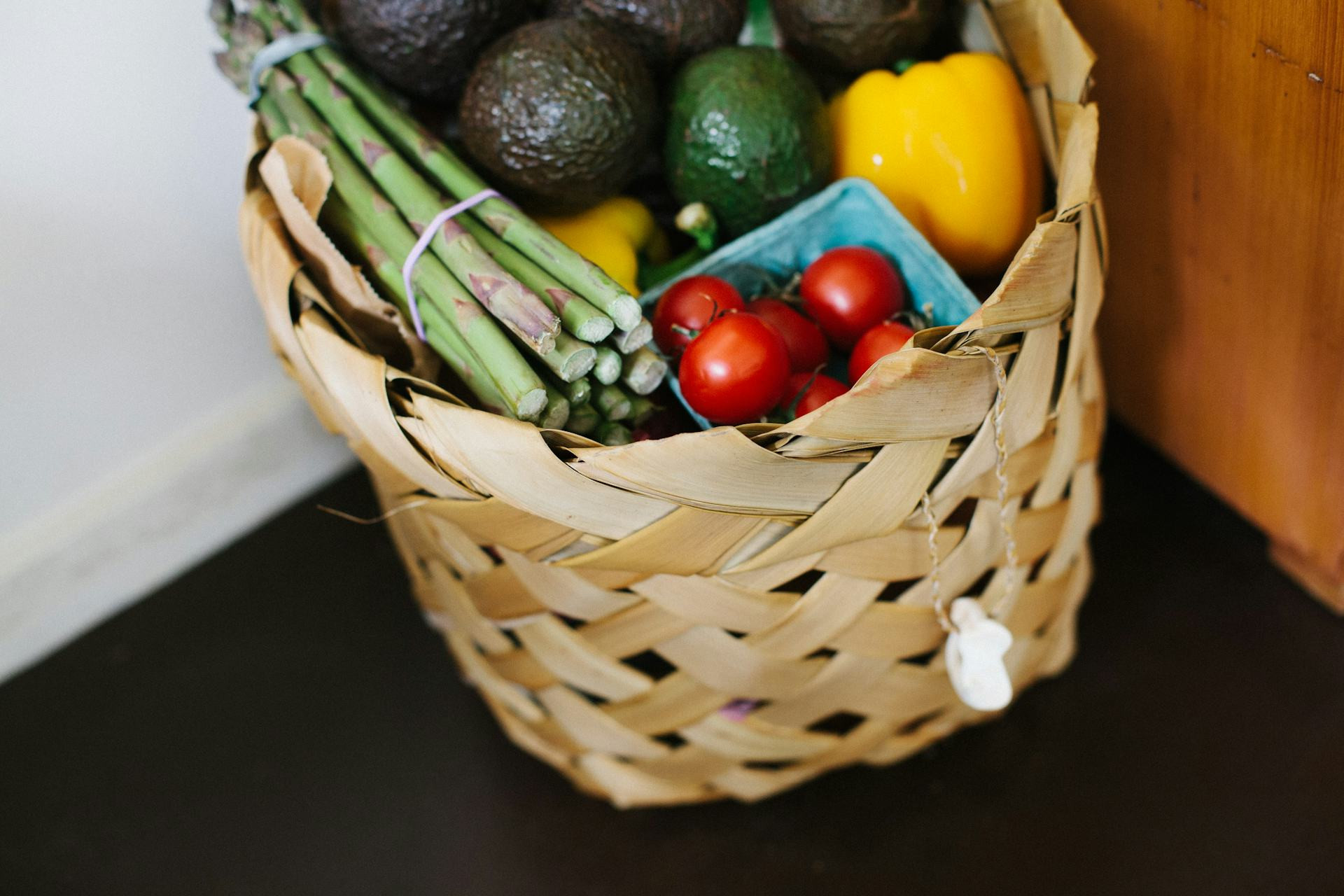
Spring brings asparagus, peas, and strawberries. Summer offers tomatoes, corn, and peaches. Fall is the time for squash, apples, and root vegetables, while winter is perfect for hearty greens, beans, and soups that warm and nourish.
Following the rhythm of the seasons adds variety to your diet and helps you feel more connected to the natural world around you.
Læs også:



Less Waste, More Value
Food waste is one of the biggest challenges in our food system. In the U.S., millions of tons of edible food are thrown away each year. That’s not only a waste of money but also a major source of unnecessary emissions.
You can help reduce waste by:
- Planning your meals and shopping with a list.
- Storing food properly to extend its shelf life.
- Using leftovers creatively—in soups, stir-fries, or grain bowls.
Making the most of your food isn’t about sacrifice—it’s about creativity. Leftover rice can become a fresh salad, and vegetable scraps can be turned into a flavorful broth.
Well-Being as Motivation
Sustainable eating isn’t just about the planet—it’s also about how we feel. When we eat food that’s fresh, nourishing, and thoughtfully prepared, we feel the difference. Many people notice more energy, better digestion, and a deeper sense of satisfaction when they eat mindfully.
Cooking from scratch, shopping at local farmers’ markets, and taking time to enjoy meals can become small acts of self-care. They connect us to nature, to our communities, and to ourselves.
A Sustainable Lifestyle Starts in the Kitchen
Eating sustainably isn’t about perfection—it’s about awareness. Every small step counts, and when many people make small changes, the impact adds up.
By choosing food that nourishes both body and planet, we can create a positive cycle where health and sustainability go hand in hand. It’s not just good for the climate—it’s an investment in our own well-being and in a healthier future for all.
Læs også: