New Techniques, New Flavors: How Gastronomy Is Changing

New Techniques, New Flavors: How Gastronomy Is Changing
Gastronomy is in constant motion. New techniques, ingredients, and ideas are transforming not only how we cook but how we think about food itself. From high-tech kitchens and fermentation labs to climate-conscious restaurants and home cooks experimenting with precision tools, the culinary world is undergoing a quiet revolution. But what’s driving this change, and how is it reshaping the way Americans eat and experience food?
Technology Meets Tradition
The line between science and cooking has never been thinner. Modern kitchens now use tools once reserved for laboratories: precision thermometers, vacuum sealers, dehydrators, and temperature control systems accurate to a fraction of a degree. The goal isn’t to replace craftsmanship but to refine it.
Sous vide cooking, once the domain of fine dining, has become a staple for home chefs across the U.S. By cooking food slowly at a precise temperature, it preserves flavor, texture, and moisture in ways traditional methods rarely can. At the same time, old techniques like fermentation, pickling, and smoking are being rediscovered—this time with a deeper understanding of microbiology and flavor chemistry.
It’s in the meeting of old and new that gastronomy truly evolves. Tradition isn’t being discarded; it’s being reimagined.
Sustainability as a Driving Force
Where culinary innovation once meant luxury and novelty, today it’s increasingly about responsibility. The climate crisis has made its way onto the plate. Chefs and producers across the country are working to reduce food waste, source locally, and think in terms of entire ecosystems rather than individual dishes.
Plants are taking center stage—not just as meat substitutes but as stars in their own right. New cooking methods bring out complex flavors in vegetables, while fermentation and smoking add depth and umami once associated only with animal products.
There’s also growing interest in regenerative agriculture and seasonal cooking. It’s no longer just about what tastes good, but what does good—for our bodies, our communities, and the planet.
Læs også:
The Sensory Experience
Food is no longer just nourishment—it’s an experience. Restaurants are increasingly designing meals that engage all the senses: sound, scent, texture, even the temperature of the room. A dish isn’t just meant to taste good; it’s meant to tell a story, evoke a memory, or spark curiosity.
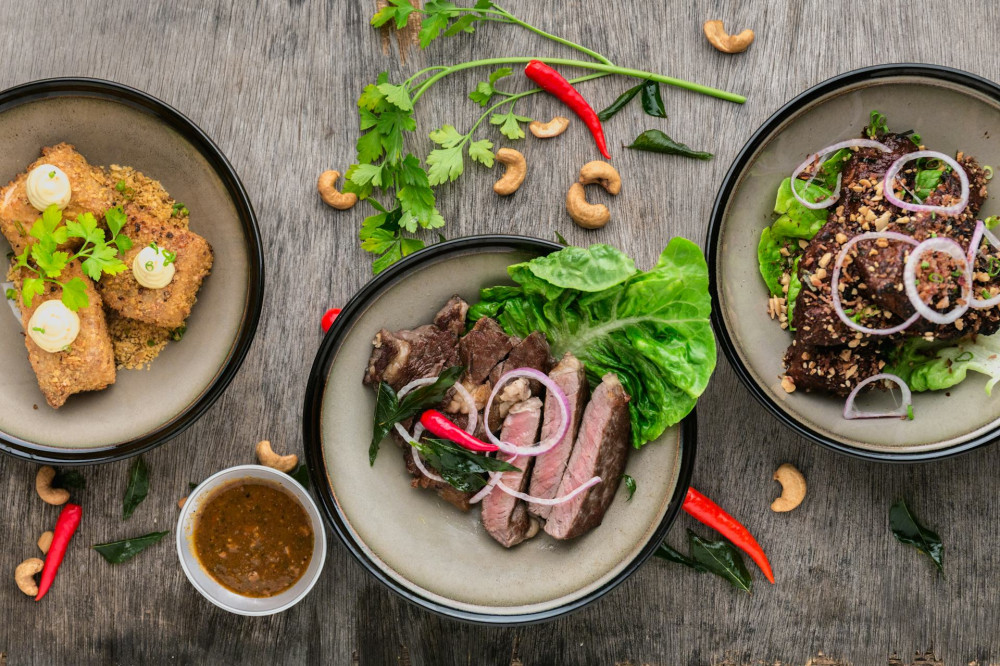
This sensory approach has also reached home kitchens. Americans are experimenting with global flavors, new spice blends, and creative plating. Social media has made food presentation part of the experience, inspiring people to explore new techniques and ingredients while sharing their culinary adventures with others.
Science in the Kitchen
Scientists and chefs are collaborating more than ever to understand why food tastes the way it does. It’s a blend of chemistry, physics, biology—and psychology. How do colors affect our perception of flavor? Why do certain textures feel more satisfying?
This knowledge is being used not only to create gourmet dishes but also to develop healthier and more sustainable alternatives. Researchers are working to replicate the texture of meat in plant-based products, extract proteins from algae and fungi, and design foods that are both nutritious and environmentally friendly.
The future of gastronomy will be defined not just by taste, but by understanding—of nature, technology, and ourselves.
The Home Cook as Innovator
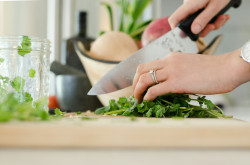
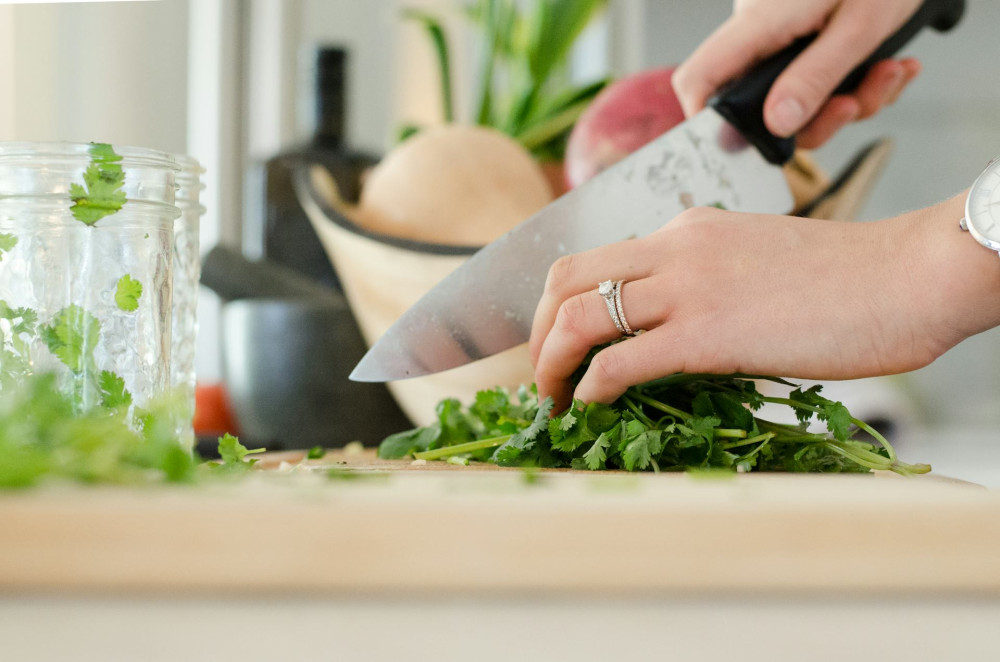
Experimentation is no longer limited to professional chefs. Home cooks now have access to knowledge and equipment that were once exclusive to restaurants. Online classes, specialty stores, and community workshops make it possible to try everything from fermentation to molecular gastronomy in one’s own kitchen.
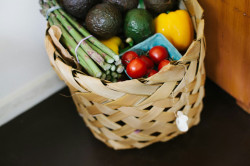
But it’s not just about technique. Many people are finding joy in understanding ingredients more deeply—using the whole vegetable, reducing waste, and creating something unique from local produce. It’s a new kind of creativity, where curiosity and sustainability go hand in hand.
A New Era of Flavor
Gastronomy is moving toward a future where innovation and responsibility coexist. New techniques are unlocking new flavors—and new ways of thinking about food. It’s no longer just about impressing diners, but about connecting, understanding, and transforming.
When we look back a decade from now, we may find that the greatest culinary revolution wasn’t technological at all, but cultural: a shift toward a more mindful, curious, and sustainable way of eating.
Læs også: