Traditional Grave or Modern Memorial Garden – Which Best Fits Your Needs?

Traditional Grave or Modern Memorial Garden – Which Best Fits Your Needs?
When it comes time to decide how a loved one should be remembered, many families face an important question: Should you choose a traditional grave with a headstone and personal touches, or a modern memorial garden that emphasizes nature and simplicity? Both options carry meaning and comfort, but they suit different needs and lifestyles. Here’s an overview to help you find the choice that feels right for you and your family.
The Traditional Grave – Heritage, Presence, and Personal Connection
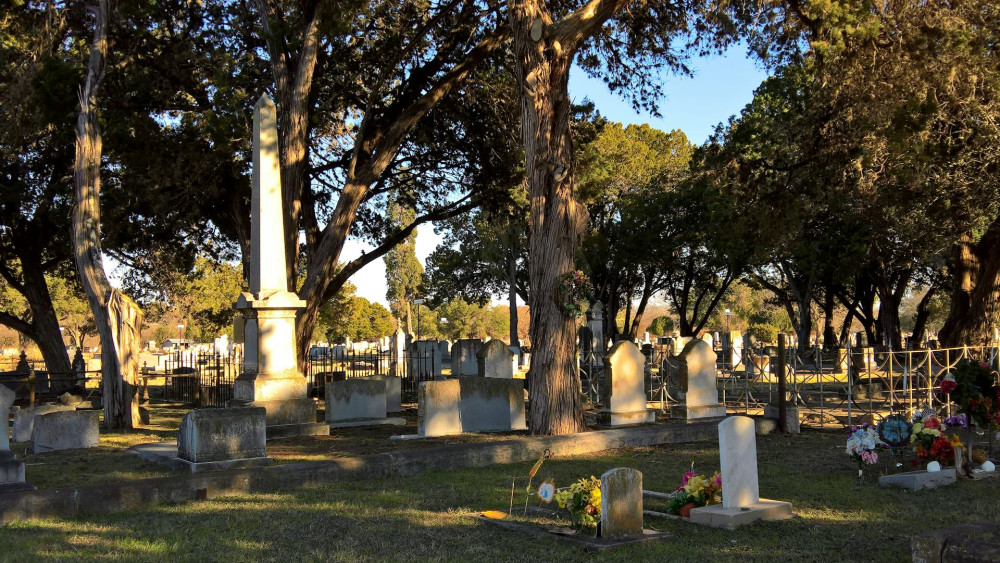
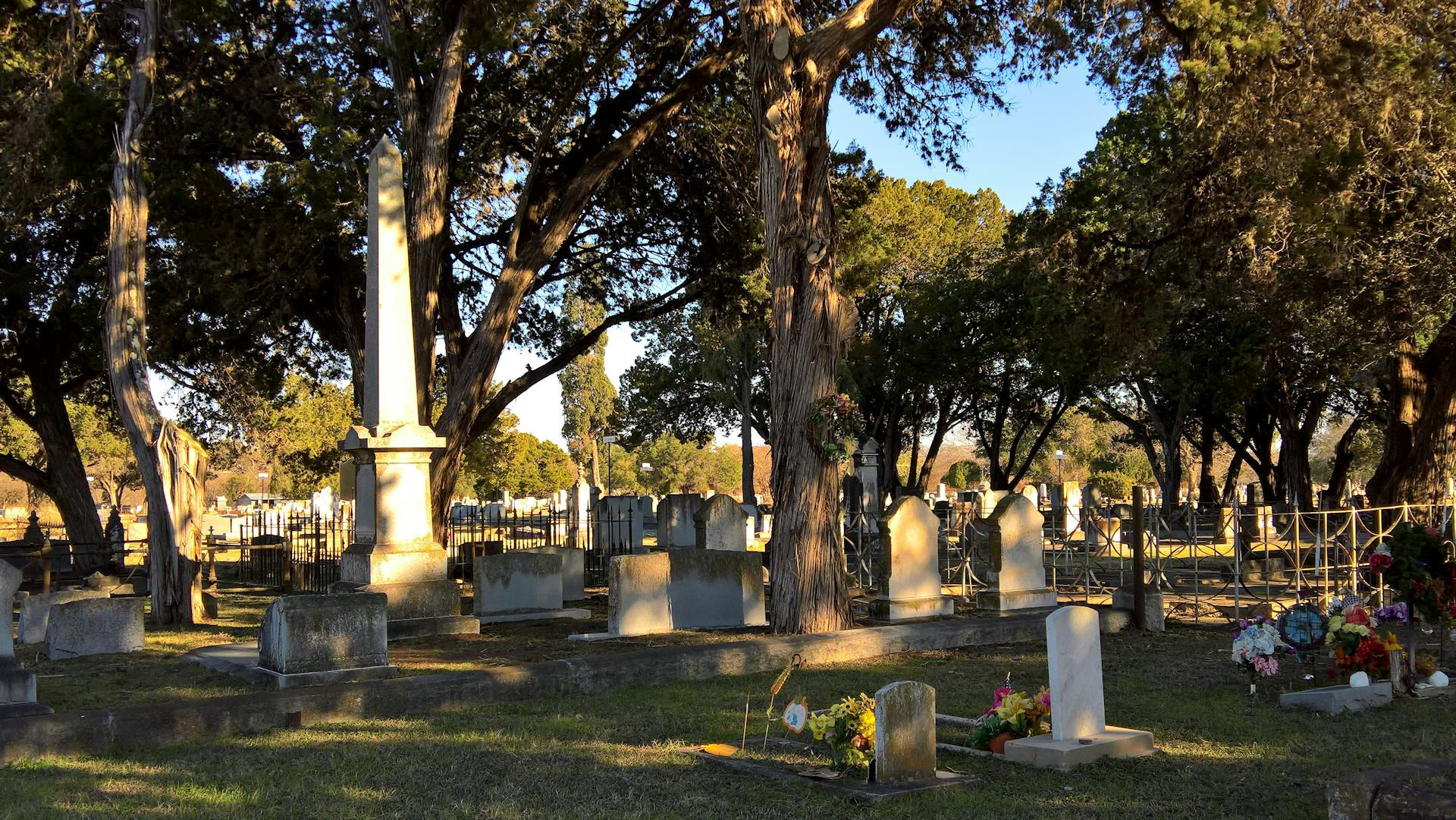
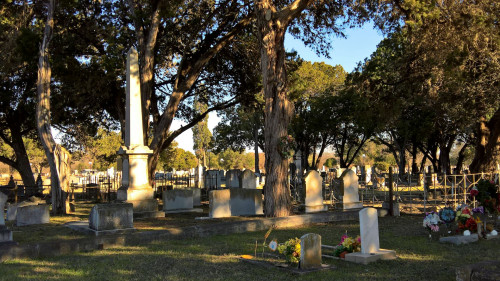
For many Americans, a traditional grave is the most familiar and deeply rooted way to honor a loved one. It provides a defined space in a cemetery, often marked by a headstone, flowers, and personal decorations. This allows families to create a place that reflects the individual’s life, beliefs, and personality.
A traditional grave offers a tangible place to visit—a spot where you can lay flowers, light a candle, or simply sit in quiet reflection. For some families, it becomes a meaningful gathering place on birthdays, anniversaries, and holidays.
However, there are practical aspects to consider. A traditional grave requires ongoing maintenance, such as caring for flowers or cleaning the headstone. Some cemeteries offer perpetual care services for an additional fee, while others leave upkeep to the family. For those who value tradition and a personal connection, this care can be a comforting ritual—but for others, it may feel like a long-term responsibility.
The Modern Memorial Garden – Simplicity, Nature, and Shared Space
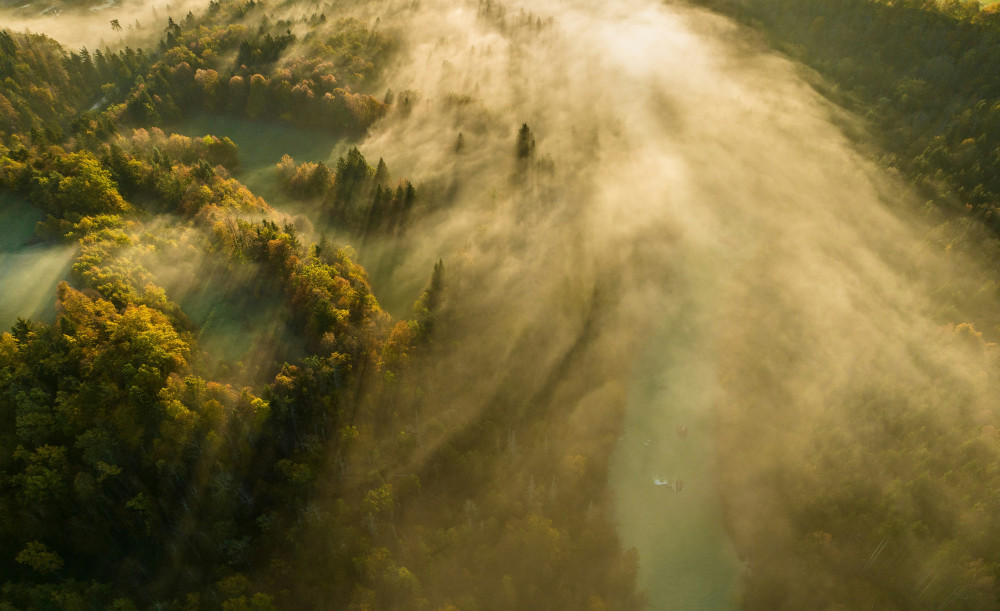
In recent years, memorial gardens have become an increasingly popular alternative across the United States. These are landscaped areas—often within cemeteries or dedicated parks—where cremated remains are interred or scattered in a communal setting. Instead of individual plots, the space is marked by shared plantings, plaques, or natural features, and maintenance is handled by the cemetery or memorial park staff.
For many families, this option offers peace of mind. There’s no need to worry about upkeep, and the surroundings are often designed to evoke calm and beauty. Memorial gardens can feel less formal and more connected to nature—a place to remember without the weight of practical obligations.
This type of memorial is especially appealing to those who prefer a simple, eco-friendly, or more anonymous form of remembrance. It can also be a comforting choice for families who live far apart, as the shared space remains well cared for and welcoming to all visitors.
Læs også:
What Does It Mean for You and Your Family?
Choosing between a traditional grave and a memorial garden isn’t just about appearance or cost—it’s about how you want to remember and be remembered. Some people find comfort in having a personal, defined place to visit and tend. Others prefer a natural, communal setting where memories live on in the landscape itself.
It can be helpful to discuss these wishes openly within the family, and if possible, with the person whose arrangements are being planned. Many families find peace in knowing that the decision reflects the individual’s values and that it was made together.
Cost and Maintenance Considerations
The cost of a traditional grave can vary widely depending on location, plot size, and the type of headstone or marker chosen. Additional expenses may include perpetual care fees or seasonal maintenance. While this option can be more expensive, it also allows for a high degree of personalization.
Memorial gardens, on the other hand, are typically more affordable and straightforward. Because maintenance is included, there are fewer ongoing costs, and the process is often simpler to manage. For families seeking a practical and serene solution, this can be an attractive choice.
A Decision of Heart and Legacy
Ultimately, the right choice is the one that feels meaningful to you. Whether you find comfort in a traditional grave with a personal headstone or in a peaceful garden surrounded by nature, the most important thing is that the space offers a sense of connection, remembrance, and peace.
Many cemeteries and memorial parks offer tours or consultations where you can explore both options in person. Taking the time to visit and reflect can help you make a decision that honors your loved one—and provides a lasting place for love and memory to endure.
Læs også: