A Personal Farewell: How Families Can Take an Active Role in Planning with the Funeral Director

A Personal Farewell: How Families Can Take an Active Role in Planning with the Funeral Director
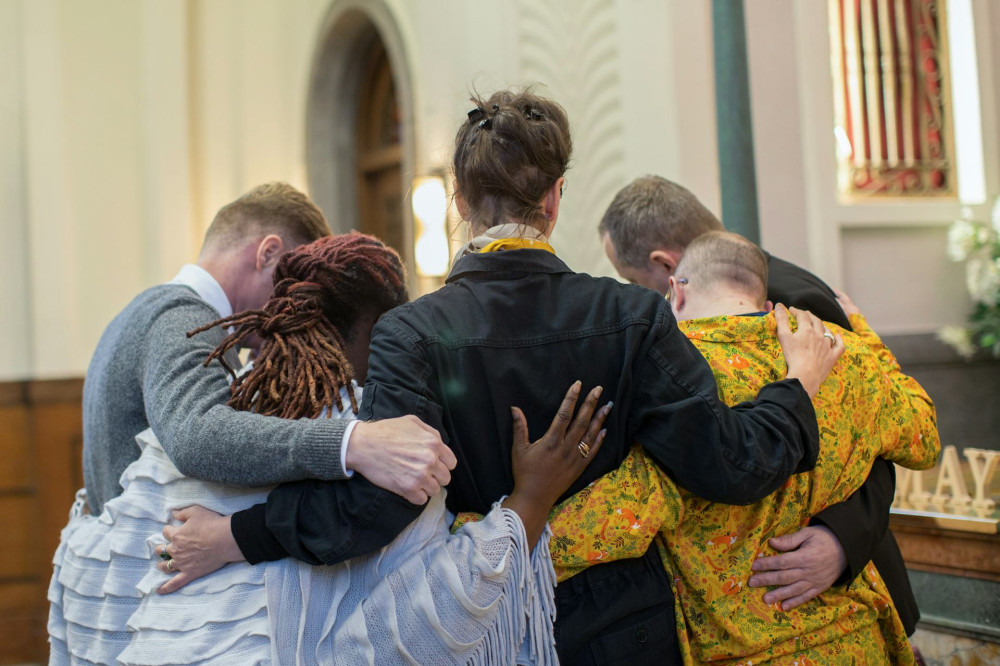
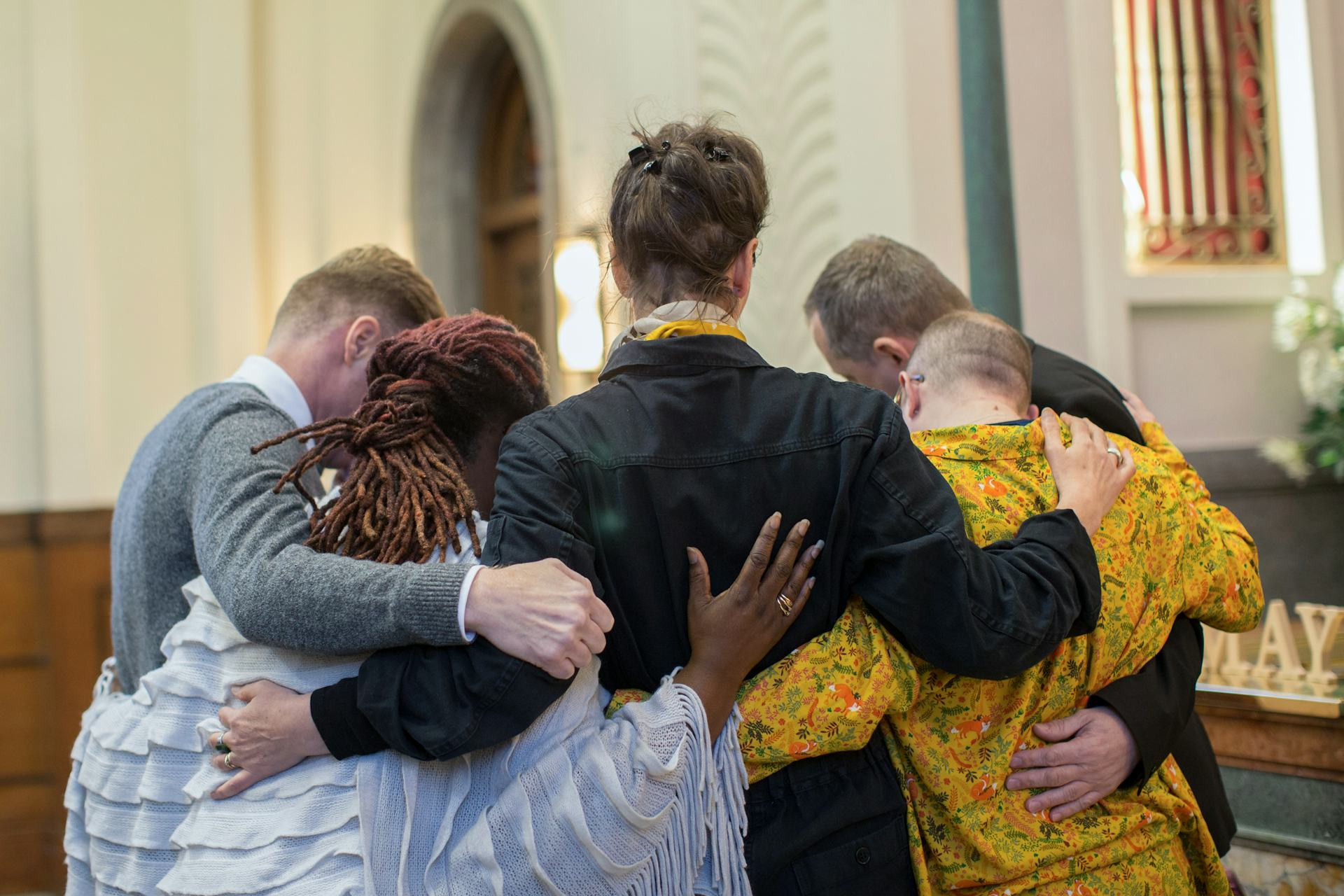
When a loved one passes away, families are faced with both grief and a series of important decisions. In this difficult time, the funeral director plays a vital role—not only as a professional who handles logistics, but also as a compassionate guide who helps translate the family’s wishes into a meaningful farewell. Many families find comfort and a sense of connection when they take an active part in planning the service. Here are some ways to make that collaboration a shared and healing experience.
A Conversation That Sets the Tone
The first meeting with the funeral director often happens in the midst of strong emotions. It’s important to take time to talk about who the deceased was and what made their life unique. A good funeral director will ask thoughtful questions that help the family reflect: What mattered most to your loved one? What values, interests, or traditions should be reflected in the service?
By sharing stories and memories, families can identify the elements that will make the ceremony personal—whether that means a favorite song, a special location, or a particular reading. The funeral director can then help turn those ideas into practical arrangements, ensuring that the farewell feels both heartfelt and well-organized.
Sharing Responsibilities and Honoring Everyone’s Role
When several family members are involved in planning, it can help to divide tasks according to each person’s strengths and comfort level. One person might choose flowers, another might prepare a eulogy, while someone else gathers photos for a memorial display. The funeral director can act as a coordinator, helping to bring all these contributions together into a cohesive whole.
It’s also important to recognize that people grieve differently. Some may want to be deeply involved in every detail, while others may prefer to step back. There’s no right or wrong way to participate—the key is to ensure that everyone feels included and respected.
Creating a Ceremony That Reflects a Life
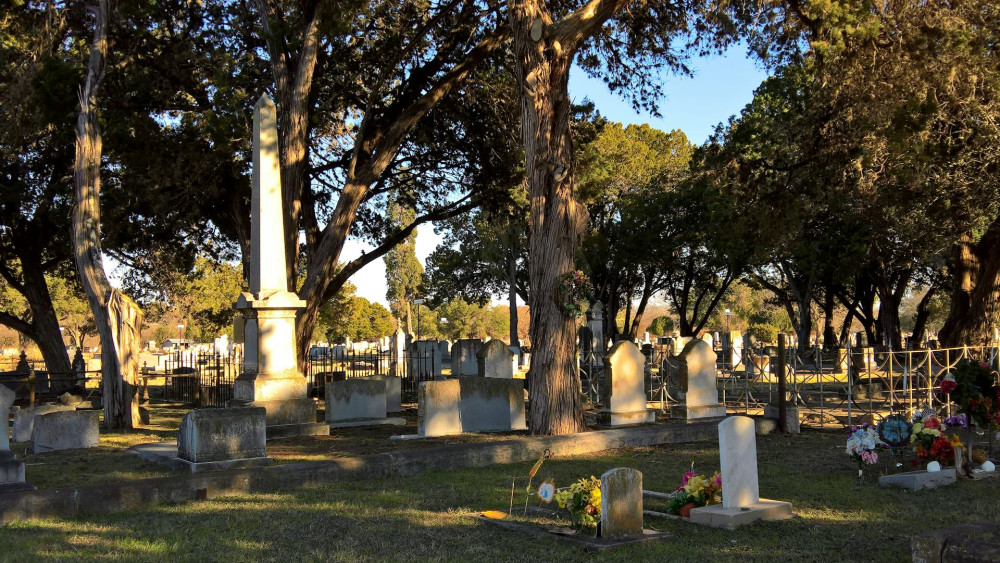
A personal farewell can take many forms. Some families choose a traditional religious service, while others prefer a secular ceremony at a funeral home, a park, or even a family home. Funeral directors in the U.S. can guide families through the available options, including cremation or burial, and help them find the setting that best fits their loved one’s life and beliefs.
Small details can make a big difference:
- A piece of music that held special meaning.
- A reading from a poem, letter, or personal reflection.
- A display of photos, keepsakes, or mementos that tell the story of a life.
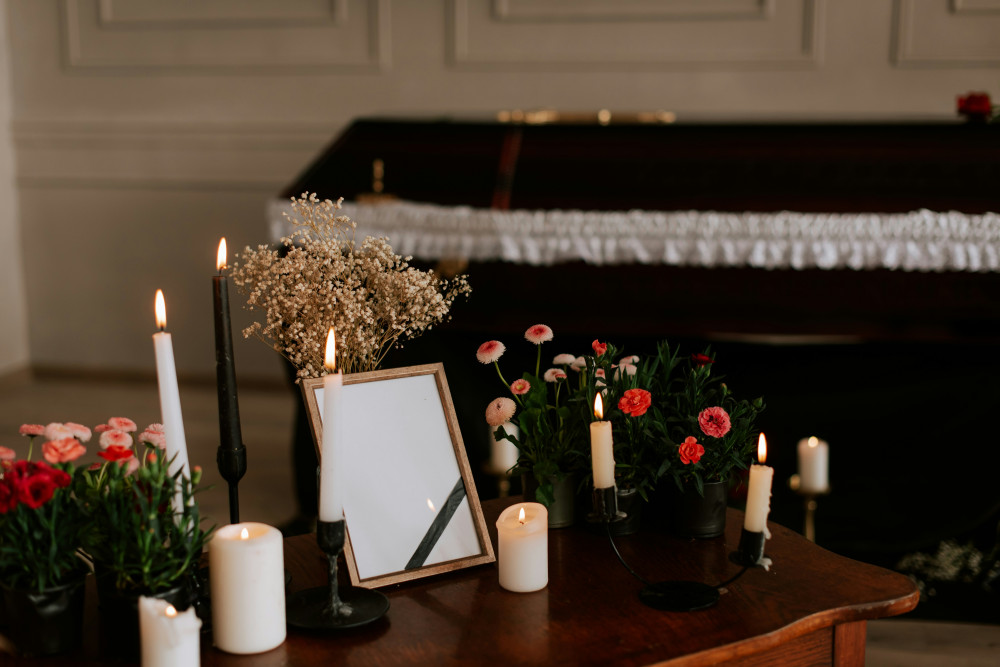
- A shared gesture, such as lighting candles, placing flowers, or writing messages of remembrance.
These touches can bring warmth and authenticity to the ceremony, offering comfort to those who gather to say goodbye.
The Funeral Director as a Steady Support
An experienced funeral director is more than a logistical expert—they are a source of empathy and reassurance. They can assist with everything from contacting clergy or officiants to arranging transportation, selecting a casket or urn, and managing paperwork. Their guidance allows families to focus on emotional connection rather than administrative details.
Many funeral homes also offer follow-up support, such as grief resources or memorial planning for later dates. Knowing that help is available beyond the day of the service can bring peace of mind during a challenging time.
Læs også:


Finding Meaning Together
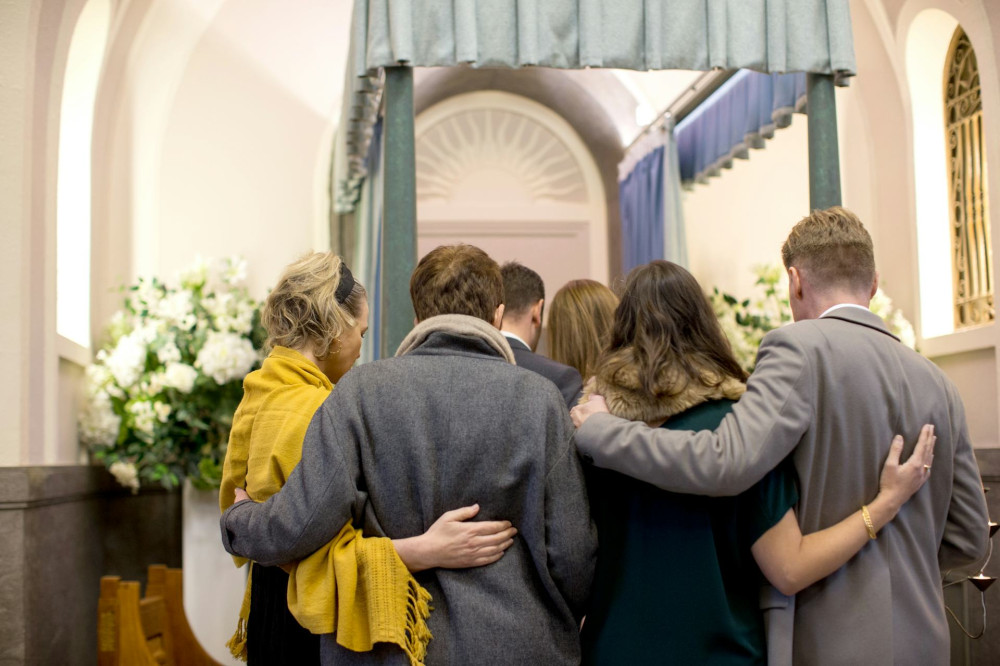
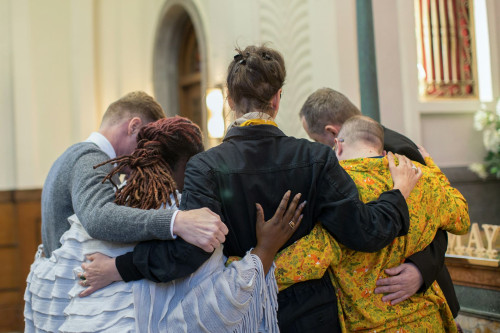
When families take an active role in planning, the farewell becomes more than a ceremony—it becomes a shared act of love and remembrance. Working together with the funeral director helps transform grief into a meaningful expression of life, values, and connection.
Planning a personal farewell is not just about organizing an event; it’s about creating a space for reflection, gratitude, and healing. In that collaboration, families often find that saying goodbye can also be a way of honoring the bond that endures.
Læs også: