Tradition or Renewal? How Families Can Find the Right Balance When Planning a Funeral


Tradition or Renewal? How Families Can Find the Right Balance When Planning a Funeral
When a loved one passes away, families face not only grief and loss but also a series of emotional and practical decisions. One of the most significant is how to plan the funeral: Should it follow long-standing traditions, or should it reflect the individual’s personality and the family’s modern values? Finding the right balance between honoring the past and creating a meaningful, personal farewell can be challenging.
Here are some reflections and ideas to help families navigate between tradition and renewal when planning a funeral.
The Comfort of Tradition
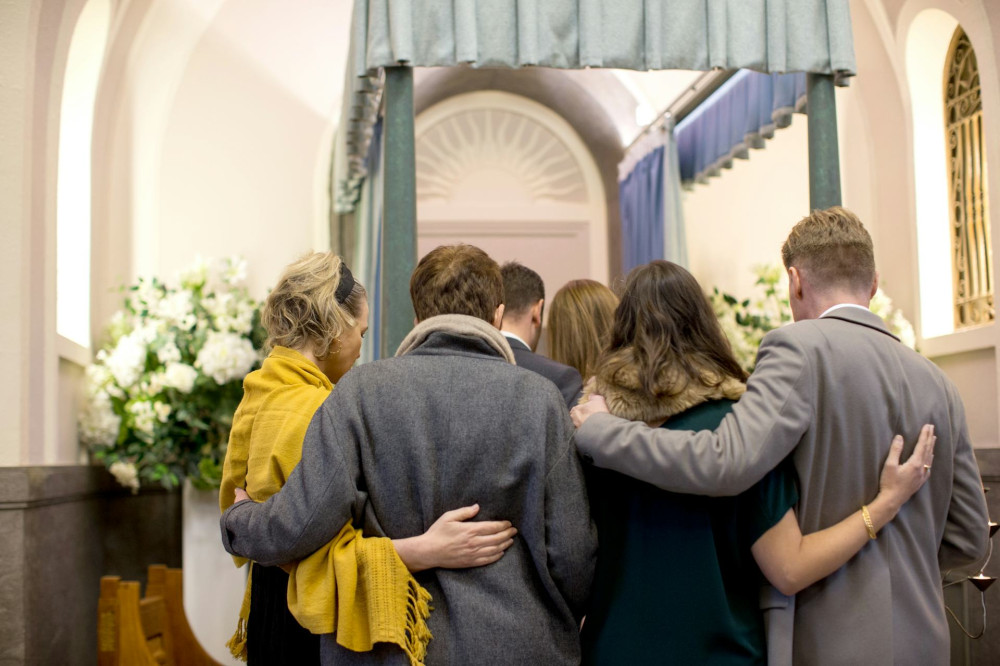
For many, traditional rituals bring a sense of stability and comfort during a difficult time. A church service, familiar hymns, and a graveside committal can provide structure and dignity. These customs offer a framework that helps families focus on their grief and memories rather than on logistics.
Older generations often find reassurance in ceremonies that mirror those they have attended throughout their lives. Following tradition can also create a shared sense of doing “the right thing” — honoring both the deceased and the family’s heritage.
Even within traditional settings, there is room for personal touches. The choice of readings, music, flowers, or eulogies can reflect the unique life and values of the person being remembered.
Renewal with Respect
As society changes, more families are seeking ways to make funerals more personal and reflective of the individual’s life. This might mean incorporating favorite songs, displaying photos, or holding the service in a nontraditional location such as a park, beach, or community center. Some families choose a celebration of life rather than a formal funeral, focusing on memories and gratitude rather than solemn ritual.
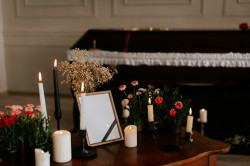
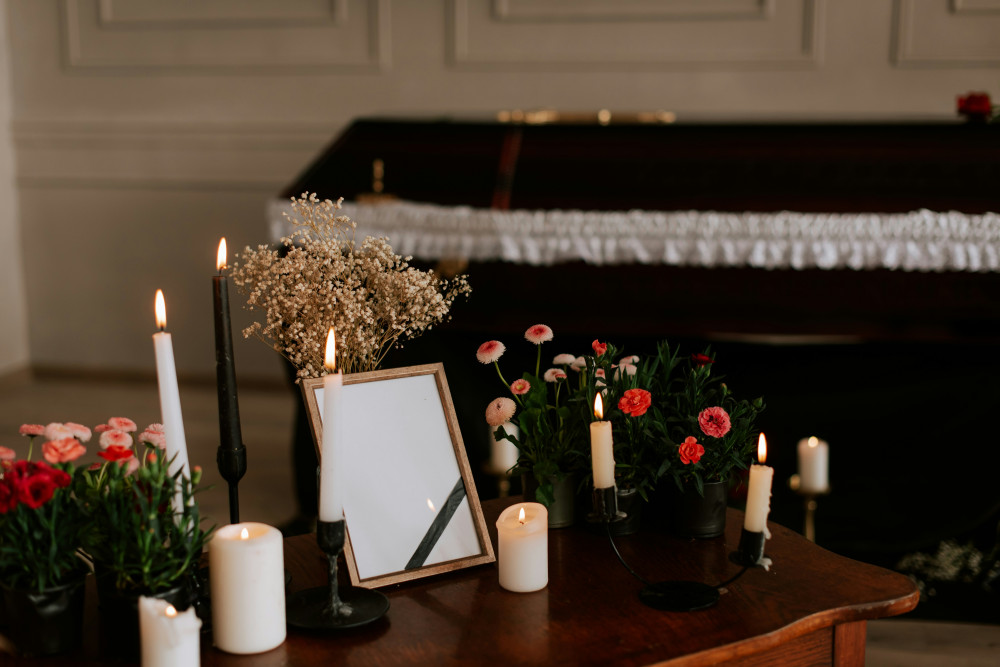
Renewal doesn’t have to mean rejecting tradition. It can simply mean adapting it — blending familiar elements with new expressions of love and remembrance. Small details, like using natural materials, inviting friends to share stories, or including a symbolic gesture such as lighting candles, can make the ceremony feel authentic and heartfelt.
The key is to make choices thoughtfully and respectfully. A personalized service can be just as dignified as a traditional one when it reflects care and sincerity.
Family Conversations
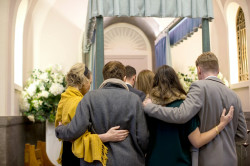
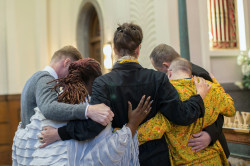
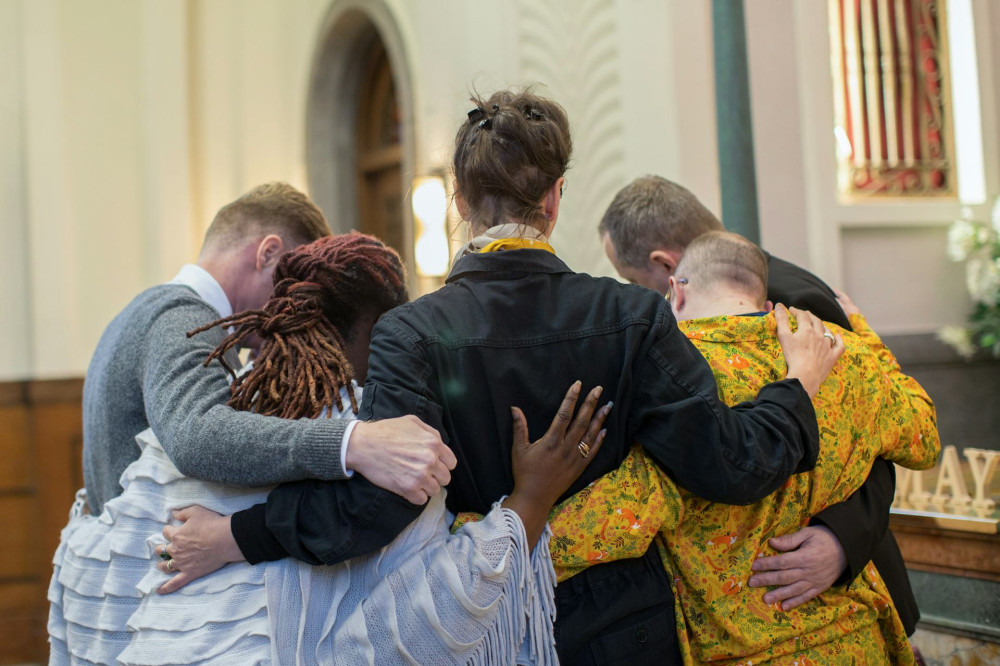
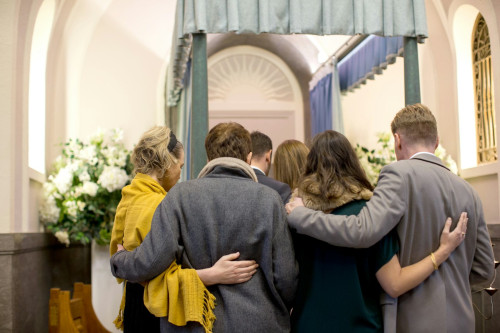
When several family members are involved in planning, differing opinions are common. Some may prefer a traditional service, while others want something more contemporary. Open communication is essential. Discuss what the deceased might have wanted and what feels right for the family as a whole.
Ask questions like: What values did our loved one hold dear? What kind of atmosphere would best honor their memory? Often, a middle ground can be found — for example, a traditional service with a few personal elements or a modern celebration that still includes a prayer or blessing.
If discussions become difficult, a funeral director, clergy member, or celebrant can help guide the process and suggest ways to balance tradition and renewal.
Practical Choices with Symbolic Meaning
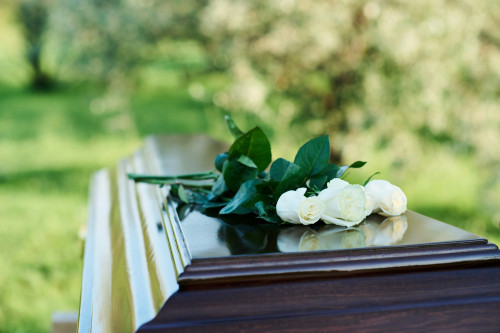
Even practical decisions carry emotional and symbolic weight. The choice between burial and cremation, the design of the casket or urn, the flowers, and the music all express something about the person being remembered.
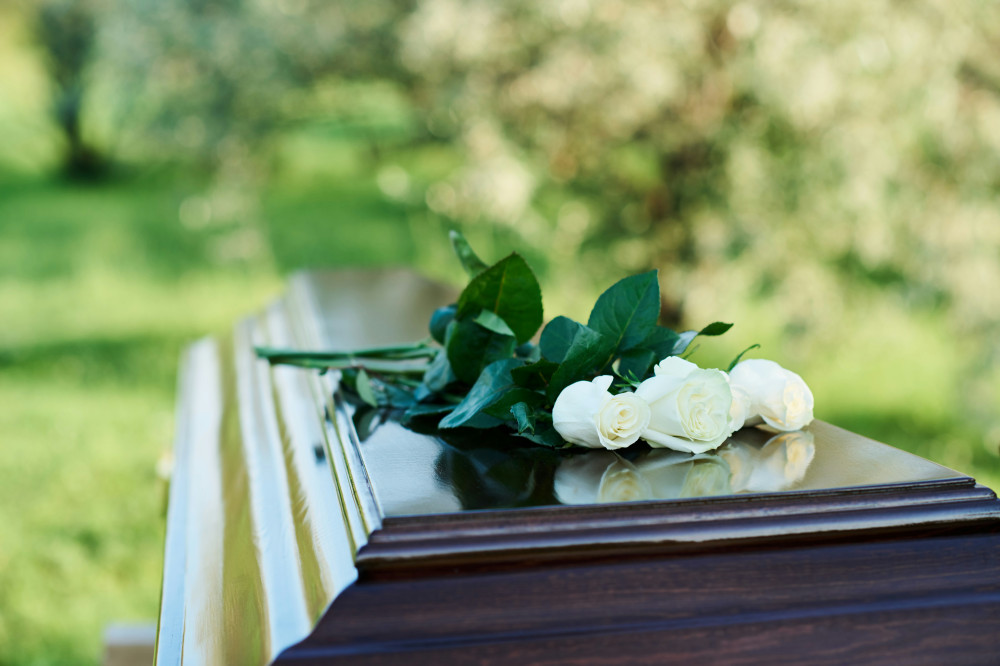
- Casket or urn: Options range from classic wood to eco-friendly materials, allowing families to reflect personal values or environmental concerns.
- Flowers: Seasonal blooms or favorite colors can add warmth and meaning.
- Music: Hymns, instrumental pieces, or contemporary songs can all be chosen to match the tone of the service.
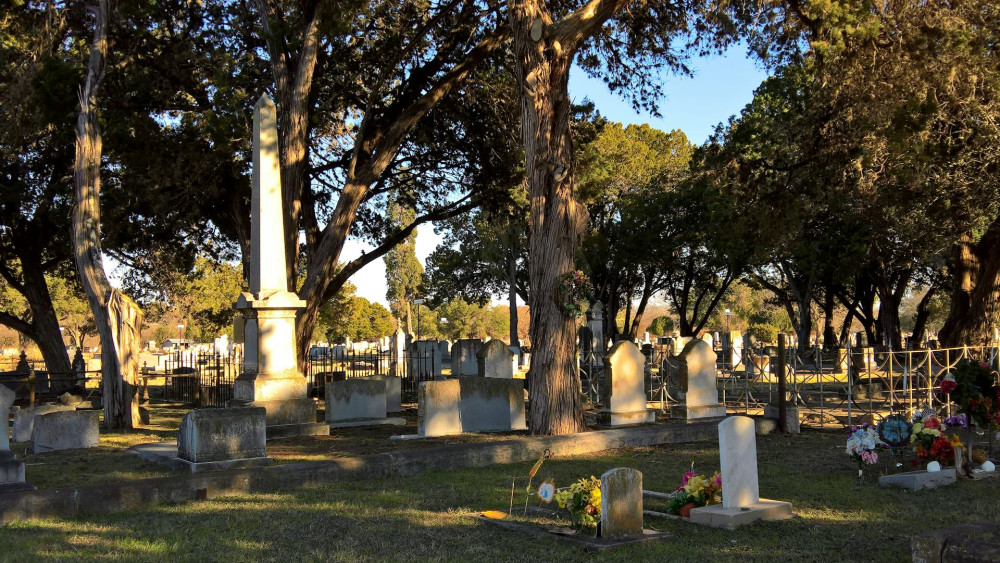
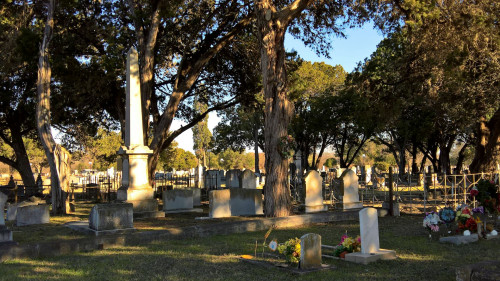
- Memorial site: A traditional cemetery plot, a columbarium niche, or a natural burial ground each offers a different way to honor the deceased.
By considering the symbolism behind these details, families can create a farewell that feels both personal and respectful.
When Tradition and Renewal Meet
The most meaningful funerals often combine the familiar with the personal. A traditional service can be enriched with modern touches, while a contemporary celebration can gain depth from time-honored rituals. It’s not about choosing one over the other, but about creating a ceremony that feels genuine and balanced.
Tradition provides structure; renewal brings intimacy and individuality. Together, they can form a farewell that honors both the past and the present.
Læs også:
A Farewell That Feels Right
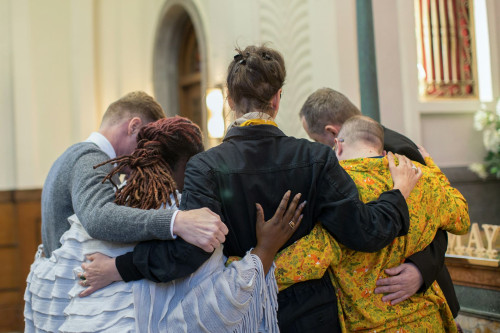
No matter how a funeral is planned, the goal remains the same: to say goodbye in a way that feels right. When families find harmony between tradition and renewal, the ceremony becomes more than a formality — it becomes a meaningful moment of love, remembrance, and connection.
Planning a funeral is part of the grieving process. When decisions are made with care and understanding, they can bring comfort and a sense of peace amid the sorrow.
Læs også: