Craftsmanship with Heart: When Coffin Design Reflects Respect and Care

Craftsmanship with Heart: When Coffin Design Reflects Respect and Care
When a loved one passes away, choosing a coffin becomes more than a practical decision—it becomes a final gesture of love, respect, and remembrance. Today, coffin design in the United States is not only about tradition but also about dignity, personalization, and environmental responsibility. Behind every coffin lies a story of craftsmanship where skill, empathy, and ethics come together.
Craftsmanship Rooted in Tradition and Meaning
American coffin-making has long been a craft that blends artistry with purpose. Many small workshops and family-owned companies still rely on time-honored woodworking techniques, selecting and shaping each piece of wood with care. For the craftsman, it’s not just about building a product—it’s about creating a vessel that honors a life.
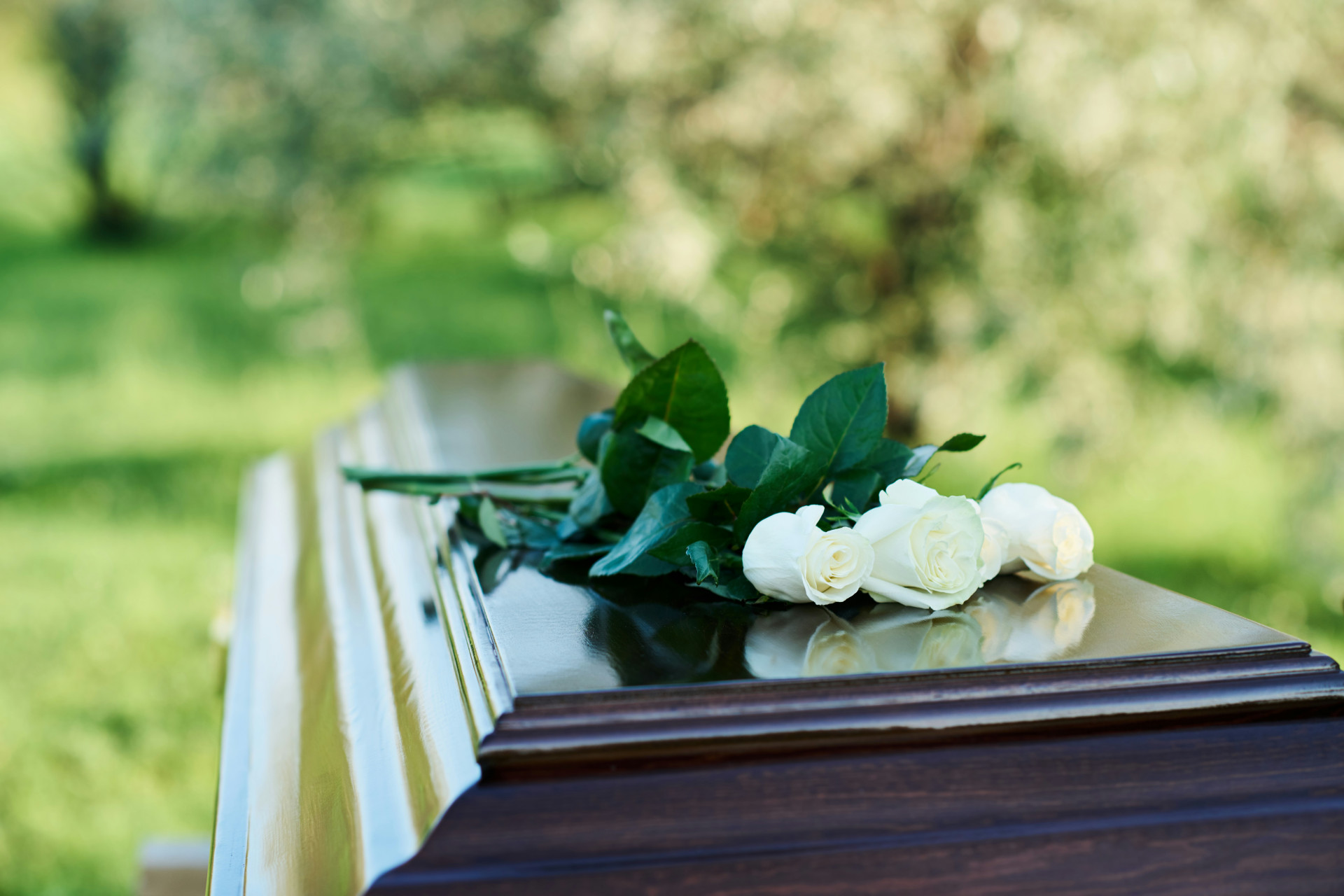
Hardwoods like oak, cherry, and walnut are often chosen for their beauty and strength, while pine and poplar offer a simpler, more natural look. Finishes can range from polished and refined to matte and understated, depending on the family’s wishes. Some prefer a classic, elegant design, while others choose a rustic or contemporary style that reflects the personality of the person being remembered.
Design That Honors the Individual
As more families seek meaningful and personal farewells, coffin design has become a way to reflect the life, values, and spirit of the deceased. It might be a subtle detail—a carved motif, a favorite color, or a symbolic engraving—that makes the design unique. Some families even participate in the design process, ensuring that the final result feels deeply personal.
In recent years, some funeral homes and artisans have introduced coffins that can be decorated by family members and friends. Painting, writing messages, or adding photographs can be a healing and heartfelt way to say goodbye—turning grief into a shared act of love and remembrance.
Læs også:
Sustainability as a Form of Respect
Respect extends beyond the person who has passed—it also includes the world we leave behind. Many Americans are now choosing eco-friendly coffins made from sustainably sourced wood, biodegradable materials, or even woven fibers like willow and bamboo. These designs allow for natural decomposition and minimal environmental impact.
Some companies go further, crafting coffins with non-toxic finishes, natural linings, and locally sourced materials. Choosing such a coffin can be a way to honor both the earth and the life that once walked upon it—a final act of care that aligns with one’s values.
The Quiet Collaboration Between Family and Maker
Behind every coffin is a quiet collaboration between the funeral director, the family, and the craftsman. The maker listens, interprets, and translates emotions into form, texture, and tone. It’s a process that requires not only technical skill but also compassion and understanding.
For many artisans, this is the most meaningful part of their work—knowing that their hands help create something that brings comfort and dignity in a moment of loss. It’s a humble but profound partnership, where craftsmanship becomes an expression of empathy.
A Final Gesture That Speaks from the Heart
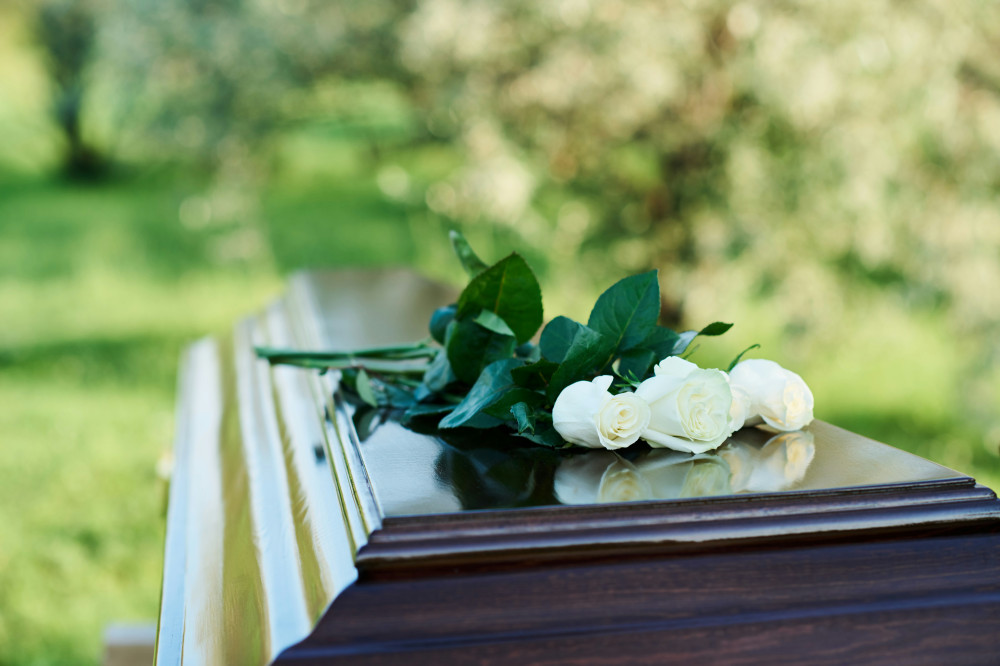
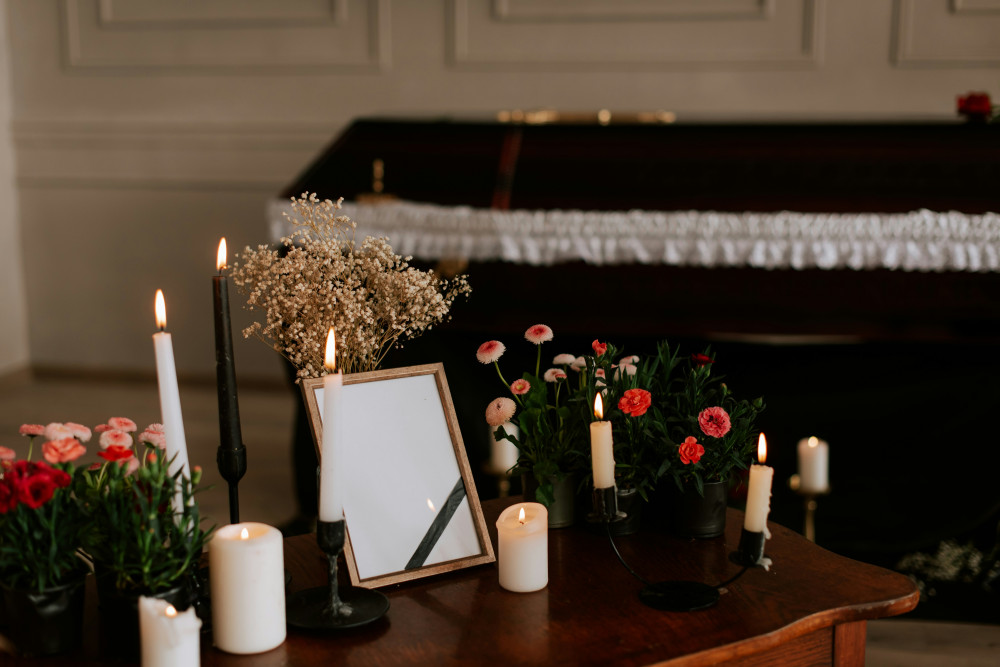
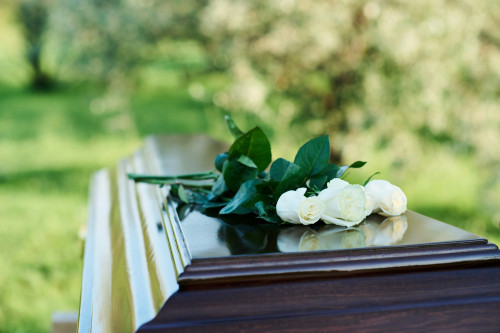
The coffin stands as one of the most visible symbols of farewell. When it is made with care, it becomes more than an object—it becomes a message of love, gratitude, and peace. It can help families find solace, knowing that their final tribute reflects the respect and tenderness their loved one deserves.
Choosing a coffin crafted with heart is not just about design—it’s about creating a space for goodbye that feels right and true. It’s where craftsmanship meets compassion, and where the beauty of wood and the warmth of human hands come together to honor a life well lived.
Læs også: