The Technology of Textiles: Weaving and Knitting Make the Difference

The Technology of Textiles: Weaving and Knitting Make the Difference
When you button up a crisp dress shirt or pull on your favorite sweatshirt, you might not think about the very different techniques that created them. Weaving and knitting are two fundamental ways of making textiles—and they give fabrics distinct qualities, appearances, and uses. Let’s explore how the technology behind the fabric shapes both function and feel.
Weaving – Structure and Strength
Weaving is one of humanity’s oldest textile techniques. It’s based on a simple yet ingenious principle: two sets of yarns—warp and weft—interlace at right angles. The result is a firm, stable fabric that holds its shape well.
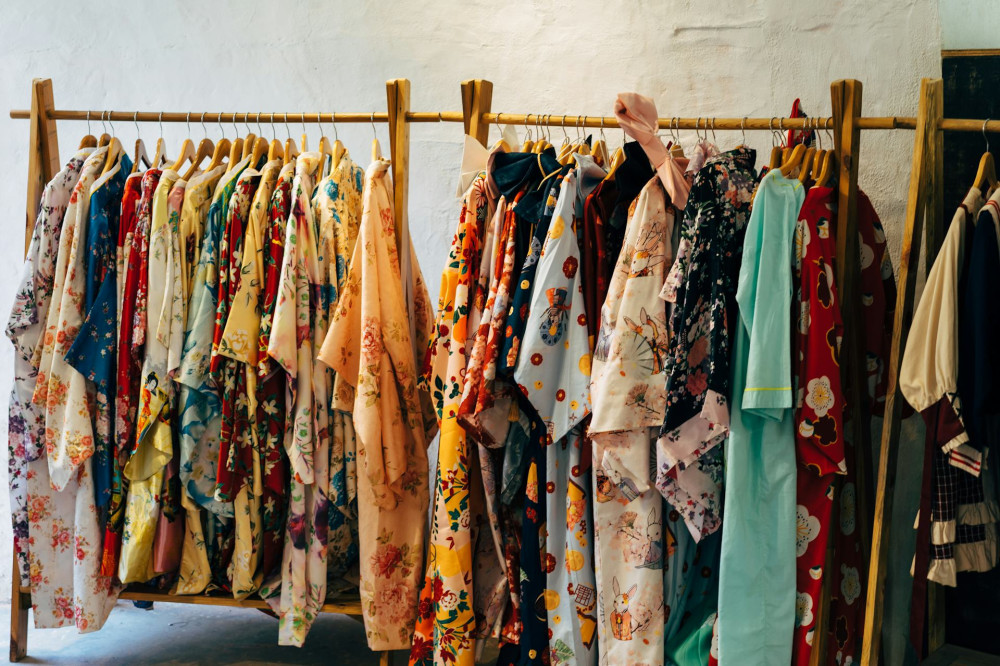
Most classic shirts, trousers, and suiting fabrics are woven. The technique produces a smooth surface and a certain stiffness, making it ideal for garments that need to look structured and polished. Depending on how the threads cross, we get different weaves such as plain weave, twill (famous for denim), or satin, each with its own texture and sheen.
Woven fabrics have limited stretch unless elastic fibers like spandex are added. However, they are durable and shape-retaining—qualities that make them perfect for everything from workwear to upholstery.
Knitting – Flexibility and Comfort
Knitting is a completely different process. Instead of interlacing threads, it forms loops that link together in a flexible network. The result is a fabric that feels soft, stretchy, and alive.
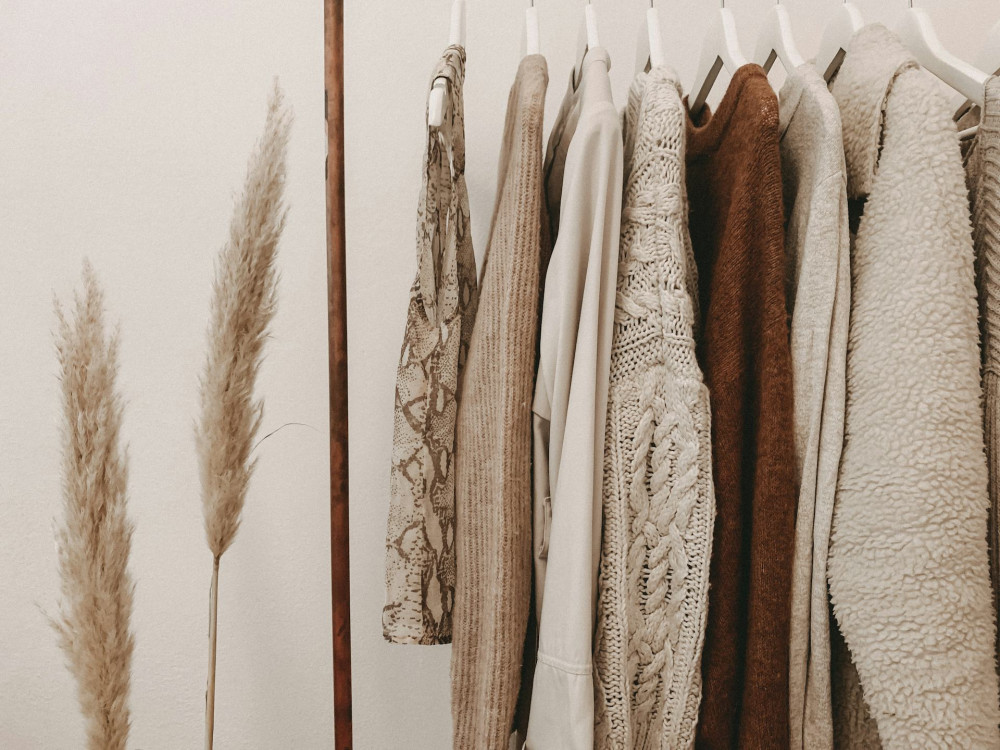
Knitted textiles can stretch in multiple directions, making them comfortable and easy to move in. That’s why the technique is used for clothing that needs to follow the body’s motion—T-shirts, underwear, activewear, and, of course, sweaters.
There are two main types of knitting: flat knitting, often used for hand-knit sweaters and finer fabrics, and circular knitting, which produces seamless materials like jersey. The difference lies in how the loops are formed, but both share the characteristic elasticity and softness that make knits so wearable.
Feeling the Difference
Compare a woven dress shirt with a knitted T-shirt, and you’ll notice the difference immediately. The woven shirt feels cool, smooth, and formal—perfect for the office or special occasions. The T-shirt, on the other hand, is soft, flexible, and casual—ideal for everyday wear.
It’s not just about comfort but also about function. A woven fabric blocks wind better and keeps its shape, while a knitted fabric allows movement and breathability. Designers choose the technique based on what the garment needs to do—not just how it should look.
Modern Innovation and Blended Techniques
Today, the line between weaving and knitting is becoming increasingly blurred. New technologies make it possible to combine the two methods and create fabrics that merge the best of both worlds. For example, woven fabrics with stretch or knitted materials so dense they almost feel woven.
At the same time, the textile industry is embracing sustainable fibers and computer-controlled machines that can produce precise patterns with minimal waste. This means both weaving and knitting continue to evolve—not as competitors, but as complementary techniques in modern apparel production.
Læs også:



Knowing the Difference Helps You Choose Better
Understanding how a fabric is made helps you choose clothing that fits your needs. Need something that keeps its shape and looks sharp? Go for woven. Want softness, flexibility, and comfort? Choose knit.
The technology of textiles is more than craftsmanship—it’s part of the story you wear every day. And the next time you open your closet, you might feel the difference with a little more awareness.
Læs også: