Modern or Traditional? How to Navigate Formal Attire

Modern or Traditional? How to Navigate Formal Attire
Formal attire can feel like a maze of unspoken rules and shifting expectations. What does “business formal” really mean today, and when is it acceptable to bend the old standards? In an era where workplaces and social events are becoming more relaxed yet still value a polished appearance, the key is finding the balance between tradition and modernity. Here’s a guide to help you navigate formal dressing in the U.S. — without losing your personal style.
What Does Formal Attire Mean Today?
Traditionally, formal wear followed strict conventions: dark suits, crisp white shirts, ties, and polished shoes for men; dresses or tailored suits for women. But today, the lines are more flexible. Many offices and events now favor a “smart” or “business casual” look, where individuality and comfort play a bigger role.
That doesn’t mean anything goes. Modern formal style is about understanding context — and dressing respectfully for the occasion. A wedding, a corporate gala, and a professional conference each call for a different balance between classic and contemporary.
The Classic Look – Timeless and Reliable
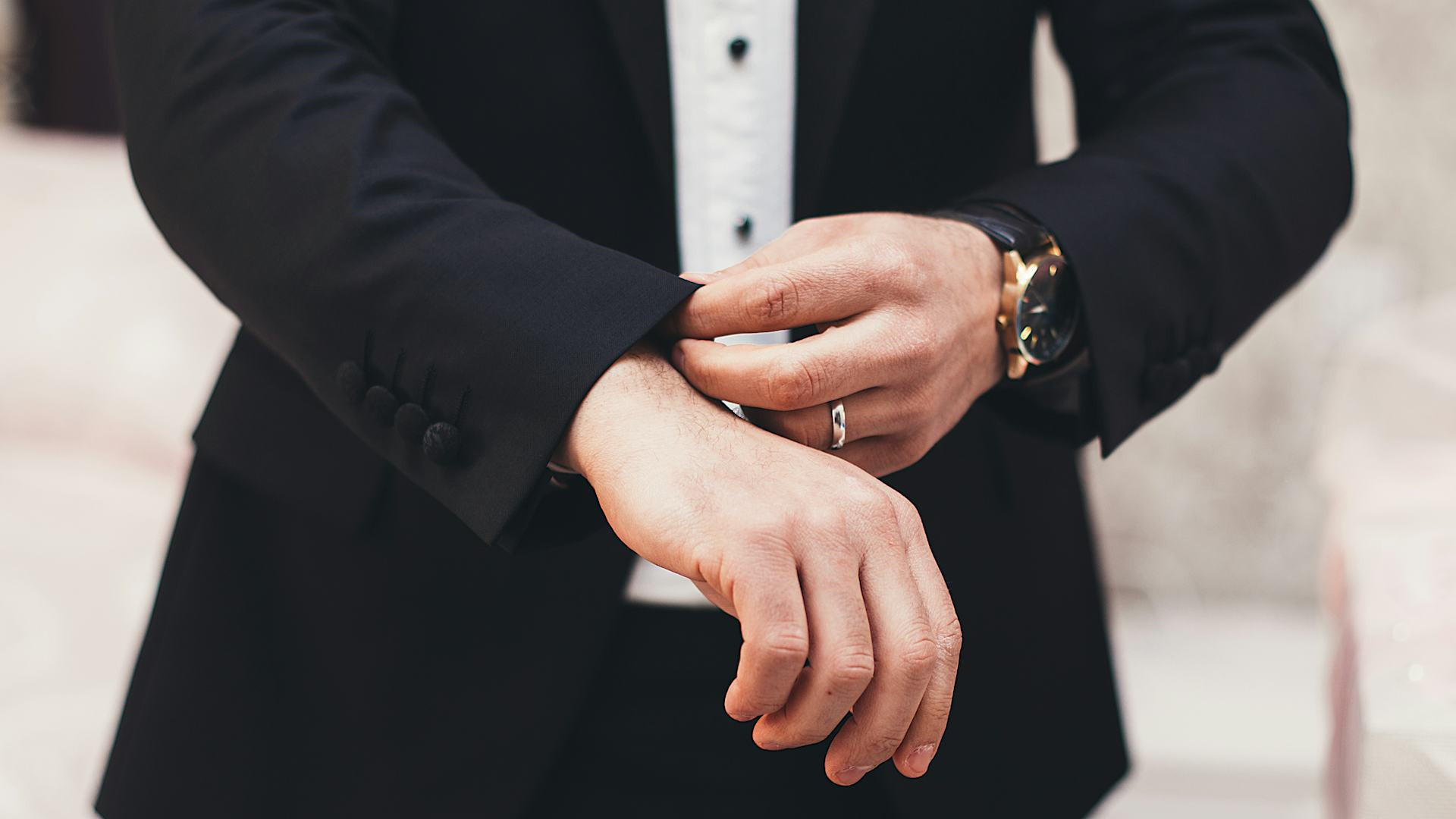
The traditional formal style remains a safe and elegant choice, especially for events with clear dress codes. It communicates respect, professionalism, and attention to detail.
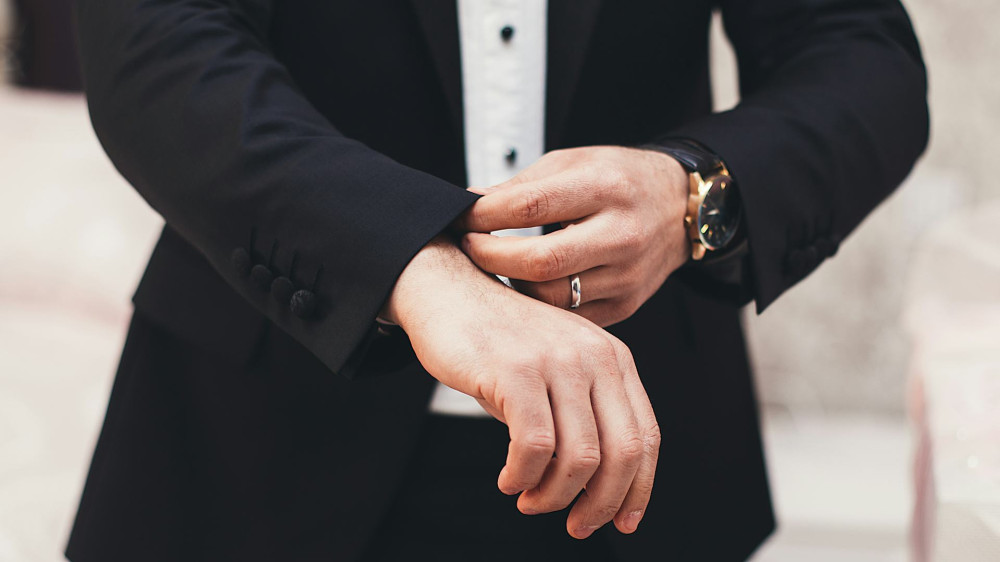
- For men: A navy or charcoal suit, a white or light blue dress shirt, a conservative tie, and black or brown leather shoes. A pocket square can add a subtle personal touch.
- For women: A tailored dress or pantsuit in neutral tones, paired with a blazer. Simple jewelry and classic pumps complete the look.
The advantage of the traditional style is that it never goes out of fashion. The key is fit and quality — well-tailored clothing looks sharp, not stiff.
The Modern Take – Personality with Respect for the Code
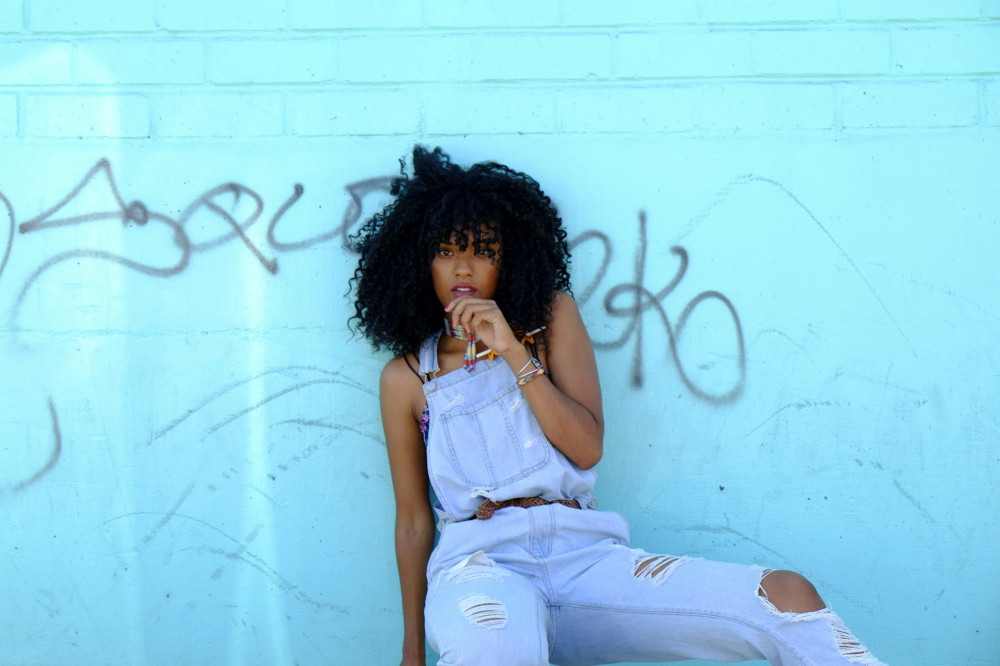
Modern formal wear allows for more self-expression. The goal is to maintain a polished appearance while adding a touch of individuality.
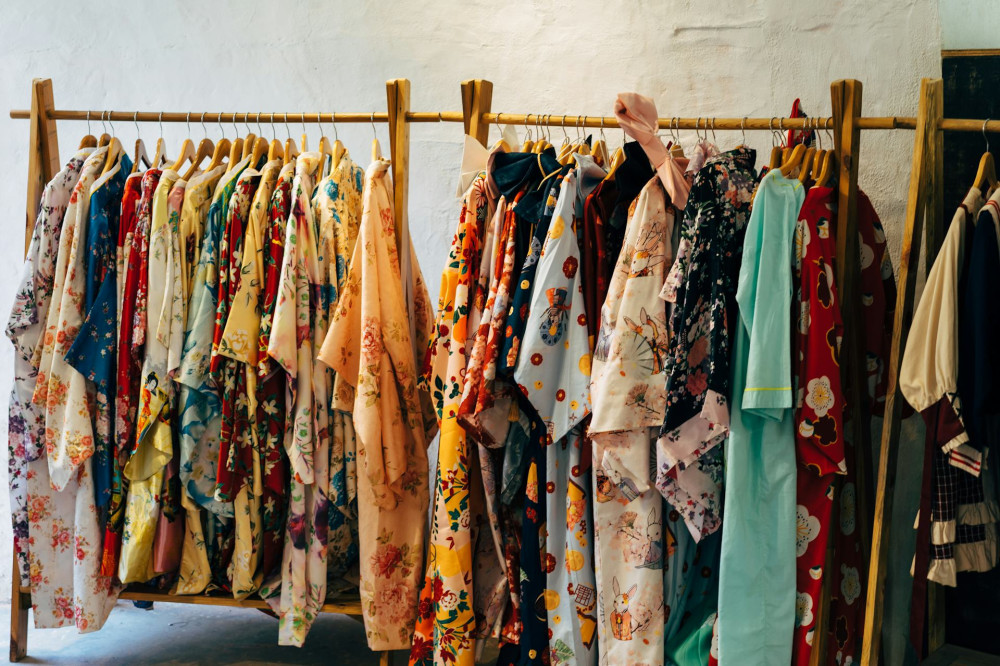
- Colors and patterns: A blazer in forest green, burgundy, or sand can be a refreshing alternative to the standard navy. Patterned ties, textured shirts, or dresses with subtle prints can add life without appearing too casual.
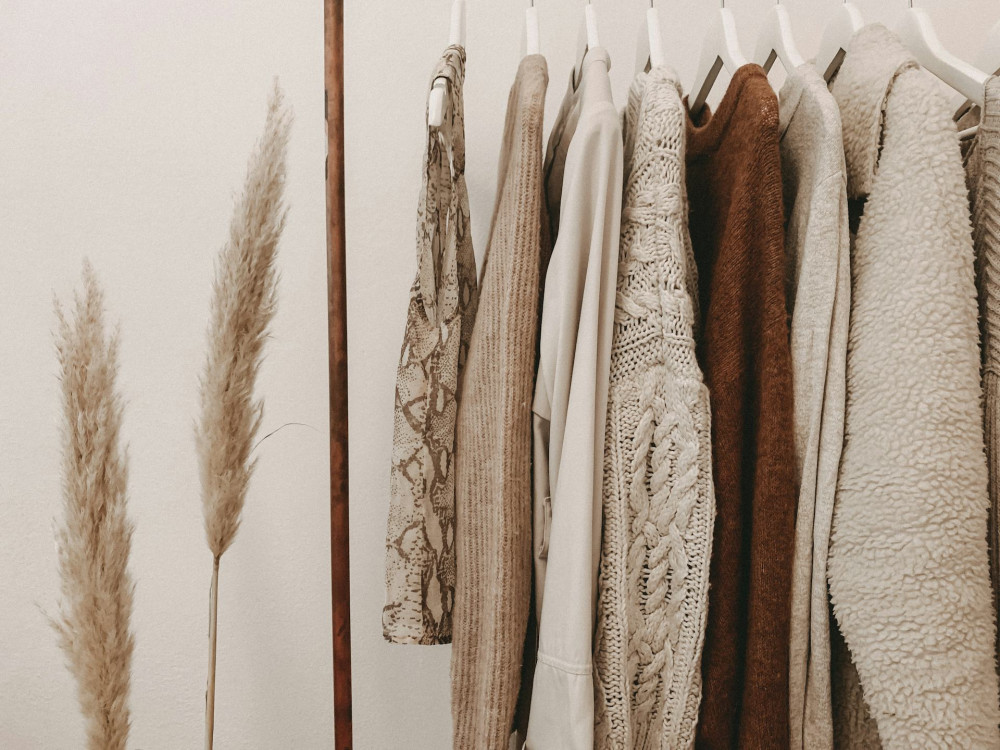
- Materials: High-quality wool, linen, and cotton bring a natural, contemporary feel. A lightweight linen suit in summer or a stretch wool blazer in winter combines comfort and style.
- Details: Modern formal dressing often comes down to the small things — minimalist leather sneakers for a creative office, a silk blouse instead of a button-down, or a sleek watch that complements your outfit.
The key is intention. A modern look should never seem random — it should feel thoughtfully put together.
Læs også:
Know the Occasion – And Dress Accordingly
Navigating formal attire is largely about reading the room. Here are a few common scenarios:
- Job interview: Opt for a classic look with a modern cut. It shows you take the opportunity seriously while staying current.
- Wedding: Follow the invitation’s dress code. “Black tie” means tuxedo or evening gown, while “cocktail attire” allows for more color and creativity.
- Company party or reception: You can show more personality here — but still keep it refined.
- Conference or presentation: Comfort and professionalism should go hand in hand. Choose clothes you can move in but that still look sharp.
When in doubt, it’s better to be slightly overdressed than underdressed. It’s easier to remove a tie or jacket than to explain sneakers at a formal dinner.
Finding Your Own Balance
Choosing between modern and traditional formal wear isn’t an either-or decision — it’s about blending both. You can easily mix classic pieces with modern details; that’s where personal style truly shines.
Start with timeless staples: a well-fitted blazer, tailored trousers, a neutral dress or shirt. Then build on that foundation with accessories, colors, and textures that reflect your personality. This approach lets you adapt your look to both formal and semi-formal settings.
Style with Confidence
Whether you lean modern or traditional, the most important thing is to feel comfortable and confident. Clothes shouldn’t just look good — they should make you feel authentic and at ease. When you stand tall, smile, and carry yourself with confidence, even the most formal outfit becomes an expression of who you are.
Formal style today isn’t about following rules blindly — it’s about understanding them and using them to create your own signature look.
Læs også: