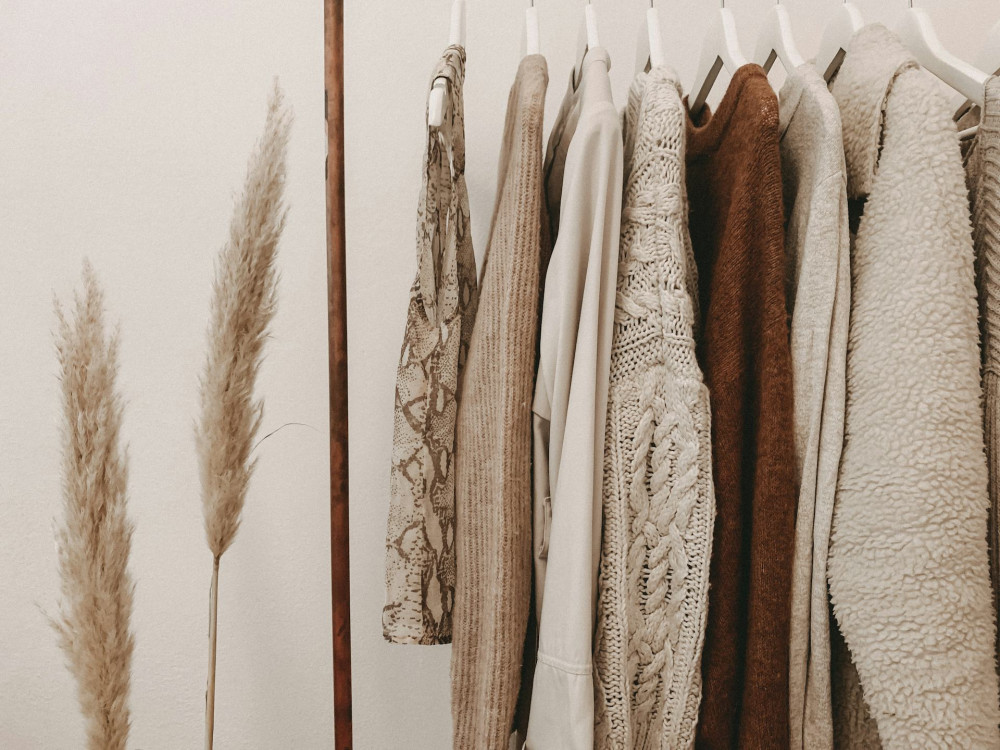
Plan Your Clothing Budget and Get More Out of Your Wardrobe


Plan Your Clothing Budget and Get More Out of Your Wardrobe
Most of us have stood in front of a closet full of clothes and still felt like we had nothing to wear. That’s often a sign that our wardrobe isn’t working as well as it could—not because we lack clothes, but because we lack a plan. By being more intentional about your clothing budget and wardrobe choices, you can save money, reduce waste, and enjoy what you already own. Here’s how to plan your clothing budget and make your wardrobe work harder for you.
Know Your Style and Your Needs
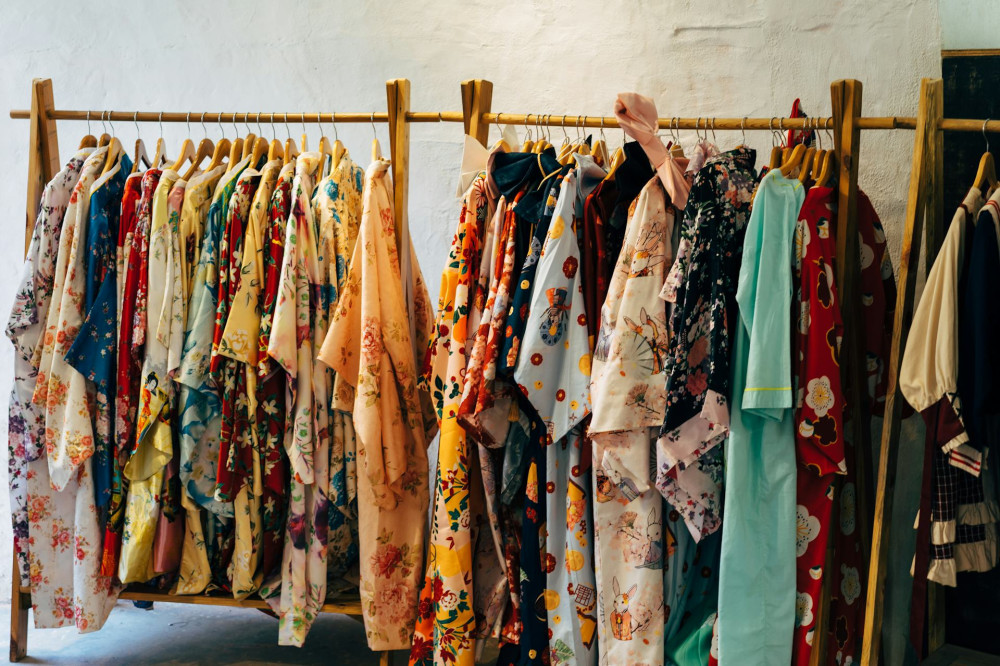
Before you buy anything new, take time to understand what you actually need and what makes you feel comfortable and confident. Go through your closet and notice what you wear most often. Do you prefer classic cuts, neutral tones, or bold colors? Which fabrics feel best on your skin, and what fits your lifestyle?
Make a list of the situations you typically dress for—work, weekends, workouts, special occasions, and so on. This helps you see where your clothing needs really are. Many people discover they have plenty of dressy pieces but not enough everyday basics, which can be an eye-opener.
Take Inventory of What You Own
A wardrobe check isn’t just about decluttering—it’s about understanding what you have. Take everything out and sort your clothes into three piles:
- Keep – items you wear often and love.
- Maybe – pieces you rarely wear but might be able to restyle.
- Let go – clothes that no longer fit, suit your style, or haven’t been worn in a year.
Once you’ve sorted everything, you’ll have a clearer picture of what’s missing and what you have too much of. Maybe you need a versatile jacket that works for multiple outfits or a pair of pants that can go from casual to dressy.
Læs også:

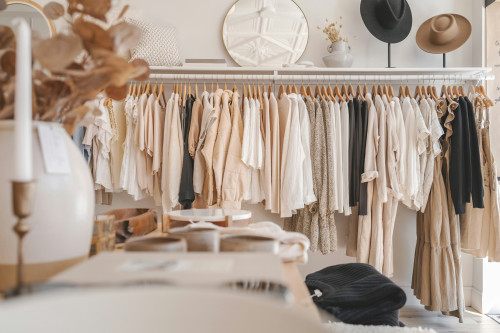

Plan Your Purchases—Buy Less, Buy Better
When you know what you need, you can plan your purchases strategically. Instead of impulse shopping, create a shopping list with specific items in mind. This helps you stay focused when browsing in stores or online.
Think quality over quantity. A well-made pair of jeans, a classic blazer, or a cozy wool sweater can last for years if you choose carefully. While higher-quality pieces may cost more upfront, they often save you money in the long run because they don’t need to be replaced as often.
A smart approach is to think in mix-and-match combinations. Buy clothes that can be styled in multiple ways and paired with what you already own. That way, you’ll get more outfits from fewer pieces.
Maintain and Extend the Life of Your Clothes
A large part of clothing’s environmental impact comes from production, so the longer you wear what you own, the better. Take care of your clothes to make them last:
- Wash less and in cold water – many fabrics stay fresh longer if aired out instead of washed.
- Repair instead of replacing – fix loose buttons or small tears before they get worse.
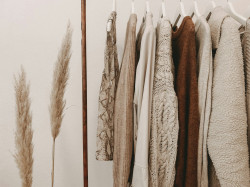
- Store properly – hang shirts and dresses, and fold knits to keep their shape.
- Rotate seasonally – store off-season clothes to keep your closet organized and your items in good condition.
Caring for your clothes shows respect for the materials and the effort that went into making them—and it helps you enjoy them longer.
Give Your Clothes a Second Life
Even the clothes you no longer wear can be useful. You can:
- Swap with friends or join local clothing exchange events.
- Sell through resale apps or consignment stores.
- Donate to charities or thrift shops.
- Upcycle – turn an old shirt into a tank top or use fabric scraps for accessories.
It’s all about seeing value in what you already have and getting creative instead of buying new.
A Wardrobe That Works for You
Planning your clothing budget isn’t about giving up style or fun—it’s about being intentional. When you know your style, shop thoughtfully, and care for what you own, you’ll build a wardrobe that feels more personal, organized, and sustainable. You’ll save time getting dressed, spend less over time, and contribute to a more mindful way of consuming.
A great wardrobe doesn’t have to be big—it just has to be well planned. And that’s what helps you get the most out of it.
Læs også: