Support Your Body Through Menopause with a Balanced and Nutritious Diet

Support Your Body Through Menopause with a Balanced and Nutritious Diet
Menopause is a natural stage of life, but for many women, it brings both physical and emotional changes. Shifting hormone levels can affect everything from energy and sleep to weight and mood. While you can’t stop the body’s natural transition, a balanced and nutritious diet can be a powerful way to support your health and well-being during this time. Here’s how you can use food to help your body feel its best through menopause.
Understanding Your Body’s Changes
As estrogen levels decline, many of the body’s systems are affected. Bone density decreases, metabolism slows, and symptoms like hot flashes, sleep disturbances, and mood swings can appear. These changes mean your body’s nutritional needs evolve as well.
A diet that once worked perfectly may no longer provide the same benefits. Adjusting your eating habits to match your body’s new rhythm can make a big difference in how you feel day to day.
Eat a Variety of Foods – Focus on Quality, Not Quantity
A balanced diet isn’t about eating less; it’s about eating smarter. Choose foods that provide the nutrients your body needs to stay strong and energized:
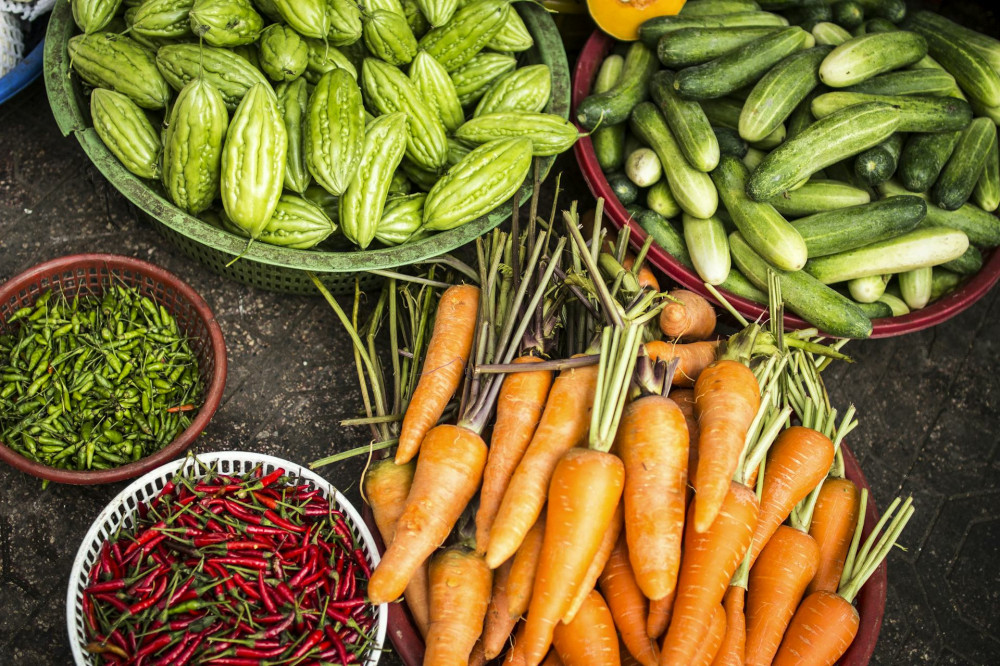
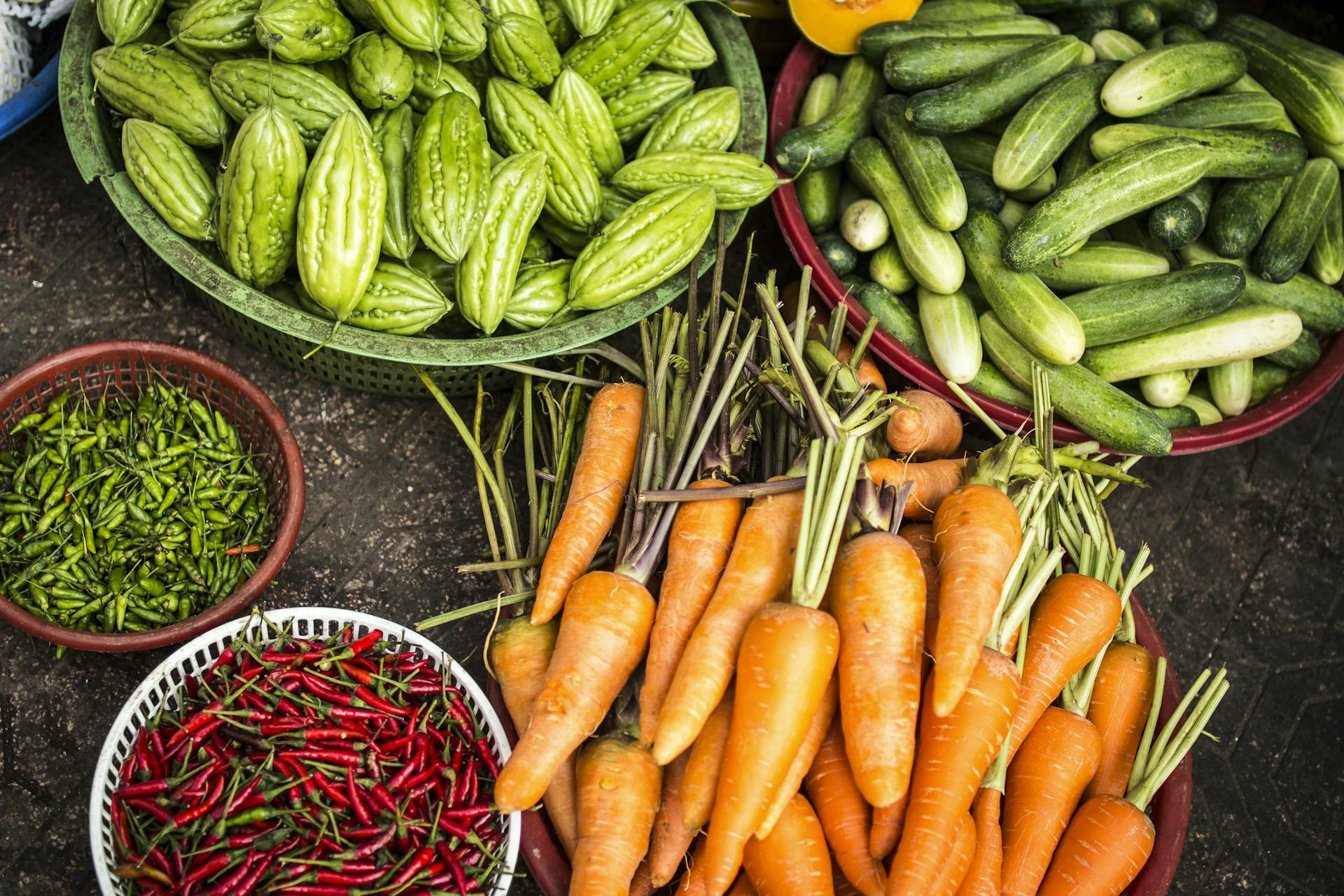
- Fruits and vegetables – Packed with vitamins, minerals, and antioxidants that support your immune system and help reduce inflammation. Aim for a colorful plate to get a wide range of nutrients.
- Whole grains – Oats, brown rice, quinoa, and whole wheat bread provide steady energy and help keep blood sugar levels stable.
- Healthy fats – Found in fish like salmon, nuts, seeds, and olive oil, these fats support heart and brain health.
- Lean proteins – Such as chicken, fish, eggs, beans, and lentils, which help maintain muscle mass that naturally declines with age.
Combining protein, fiber, and healthy fats in your meals helps keep your energy levels steady and prevents blood sugar spikes that can affect mood and sleep.
Strengthen Bones and Muscles
Lower estrogen levels can lead to bone loss, increasing the risk of osteoporosis. To protect your bones, make sure you’re getting enough calcium and vitamin D. Dairy products, fortified plant-based milks, leafy greens like kale and broccoli, and almonds are all good sources of calcium. Vitamin D comes mainly from sunlight, but supplements or fortified foods may be helpful, especially in the winter months.
Protein and regular exercise are also key to maintaining muscle strength. Combine a protein-rich diet with weight-bearing activities such as walking, dancing, yoga, or strength training to keep your muscles and bones strong.
Support Hormonal Balance with Phytoestrogens
Some women find relief from hot flashes and mood swings by eating foods that contain phytoestrogens—plant compounds that mimic the effects of estrogen in the body. These are found in soybeans, tofu, tempeh, flaxseeds, lentils, and whole grains.
While results vary from person to person, a diet rich in plant-based foods can promote overall well-being and help your body find a new sense of balance.
Læs også:




Be Mindful of Sugar, Alcohol, and Caffeine
It can be tempting to reach for coffee, wine, or sweets to cope with fatigue or stress, but these can actually make symptoms worse. Sugar and alcohol can cause blood sugar fluctuations and disrupt sleep, while caffeine may trigger heart palpitations or intensify hot flashes.
Try replacing these with gentler options—herbal teas, sparkling water with fruit, or a short walk after meals can help you feel more balanced and refreshed.
Stay Hydrated and Listen to Your Body
Many women experience dry skin and mucous membranes during menopause, and hydration plays a key role in managing these symptoms. Drink water regularly throughout the day, and include foods with high water content such as cucumbers, melons, and soups.
Most importantly, pay attention to your body’s signals. Menopause is not an illness—it’s a transition, and every woman experiences it differently. The goal is to find a rhythm that supports your energy, comfort, and overall well-being.
Finding a New Balance
Menopause can be an opportunity to reconnect with your body and establish new, healthy habits. While diet alone can’t eliminate every symptom, it can provide a strong foundation for both physical and emotional health.
By eating a variety of nutrient-rich foods, staying active, and giving your body the care it needs, you can support yourself through this transition and build a lasting sense of balance and vitality well beyond menopause.
Læs også: