Outdoors Without Gear – How to Get By with Simple Means

Outdoors Without Gear – How to Get By with Simple Means
Spending time outdoors doesn’t have to mean investing in expensive gear, high-tech gadgets, or specialized clothing. In fact, some of the most rewarding experiences in nature come when you strip things down to the basics and make use of what’s already around you. Going outside with minimal equipment is an exercise in creativity, mindfulness, and simplicity — a reminder that nature itself provides much of what you need.
Nature as Your Resource
When you head out without gear, the landscape becomes your toolkit. A sturdy branch can serve as a walking stick, a flat rock can become a cutting surface, and dry leaves or pine needles can make a comfortable seat. The key is to look for possibilities rather than limitations.
Start small — maybe a local park, a nearby forest trail, or a quiet stretch of beach. These are perfect places to practice reading the terrain, finding shelter, and using natural materials responsibly. Always follow Leave No Trace principles: take only memories, leave only footprints.
Simple and Safe Food and Water
Without cooking gear or coolers, simplicity is your friend. Pack foods that keep well and can be eaten cold: bread, nuts, dried fruit, hard cheese, and fresh vegetables. Water is essential — fill a reusable bottle before you leave, and drink regularly.
If you’re curious about foraging, start cautiously. Many edible plants grow wild across the U.S., but it takes knowledge to tell the safe from the harmful. Bring a reliable field guide or use a trusted app, and only pick what you can identify with absolute certainty. Never eat anything you’re unsure about.
Sleeping Under the Open Sky
There’s something special about sleeping outdoors without a tent. You don’t need much — just a dry spot, some shelter from the wind, and a few layers of clothing. Look for natural windbreaks like rock formations, tree clusters, or gentle slopes. Use leaves, grass, or pine boughs as insulation from the ground.
If you want a bit more comfort, bring a blanket or a lightweight tarp from home. It’s still simple but offers protection from dew and wind. Always check the weather forecast before heading out, and avoid low-lying areas where rainwater might collect.
Læs også:



Dress for the Conditions
When you’re going light, your clothing becomes your main protection against the elements. The layering principle works well: a base layer to wick moisture, a middle layer for warmth, and an outer layer to block wind and rain. You don’t need specialized outdoor wear — regular athletic clothes and a rain jacket will do just fine.
Choose practical footwear that you can walk in for hours, and opt for fabrics that dry quickly. Avoid cotton if you’ll be out for long periods, as it stays damp and can make you cold.
Finding Peace in Simplicity
Without the need to pack, plan, or manage gear, you gain more time to simply be present. You can listen to the birds, feel the breeze, and watch the light change as the day passes. It’s a kind of mental reset — a reminder of how little you truly need to feel content.
Many people find that going outdoors with minimal equipment deepens their respect for nature and their own abilities. You learn to trust your judgment, improvise, and adapt to whatever comes your way.
Start Small and Build Confidence
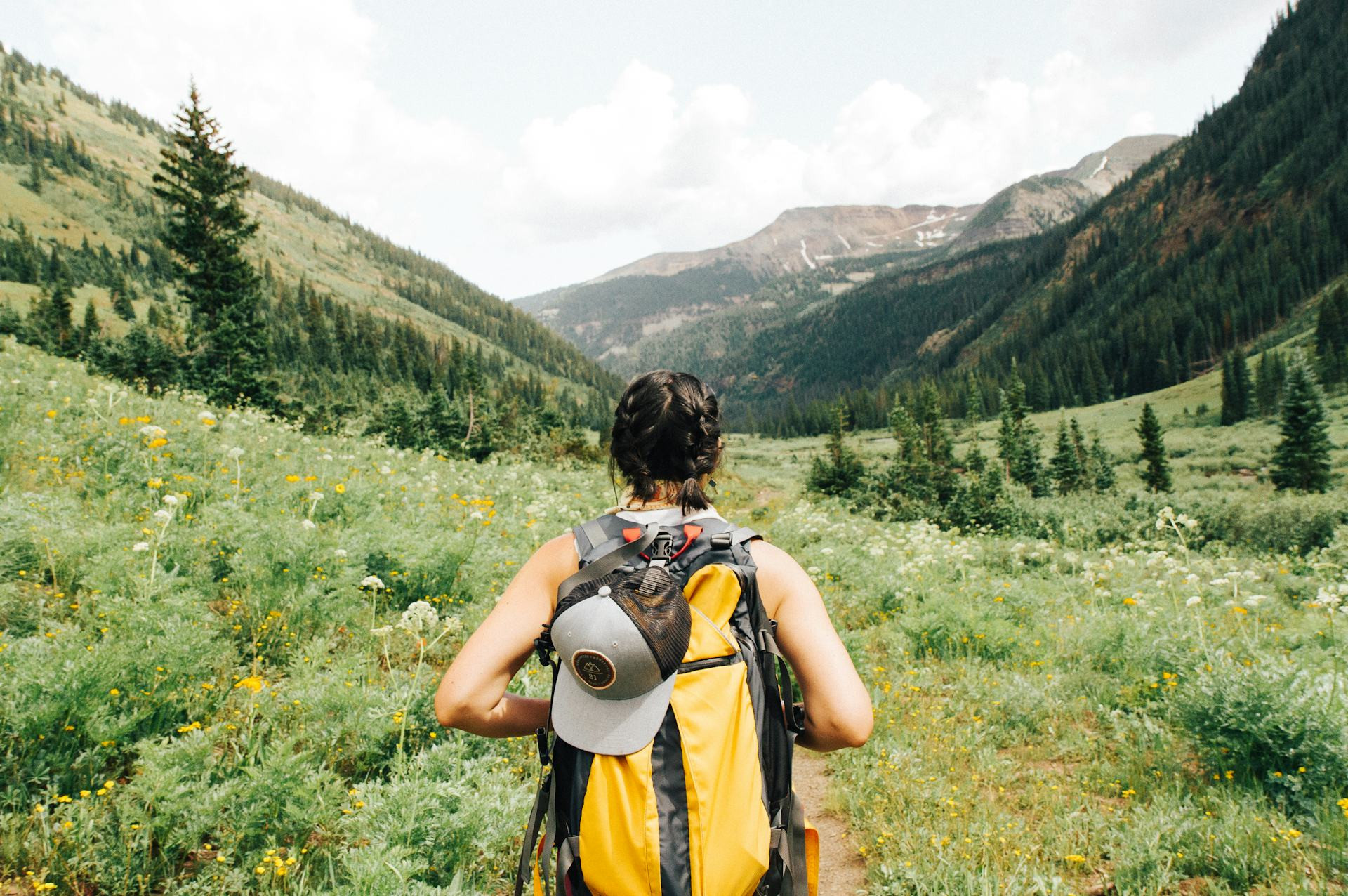
You don’t have to begin with a multi-day trip. Try an afternoon hike, a night in your backyard, or a phone-free walk in a nearby park. As you grow more comfortable, you can extend your adventures and challenge yourself a bit more.
What matters most isn’t how far you go or how rugged your setup is — it’s the joy of being outside, discovering that nature and your own resourcefulness are often all you really need.
Læs også: