Discover New Destinations with Maps, Travel Guides, and Digital Tools

Discover New Destinations with Maps, Travel Guides, and Digital Tools
Planning a trip is about more than picking a destination – it’s about discovering new places, understanding their stories, and finding experiences that truly speak to you. In a world where digital tools and classic travel guides coexist, we have more ways than ever to explore – both from home and on the road. Here’s how you can use maps, books, and apps to uncover your next adventure.
The Map: Your Most Reliable Travel Companion
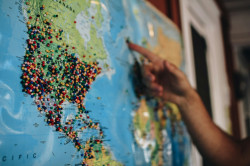
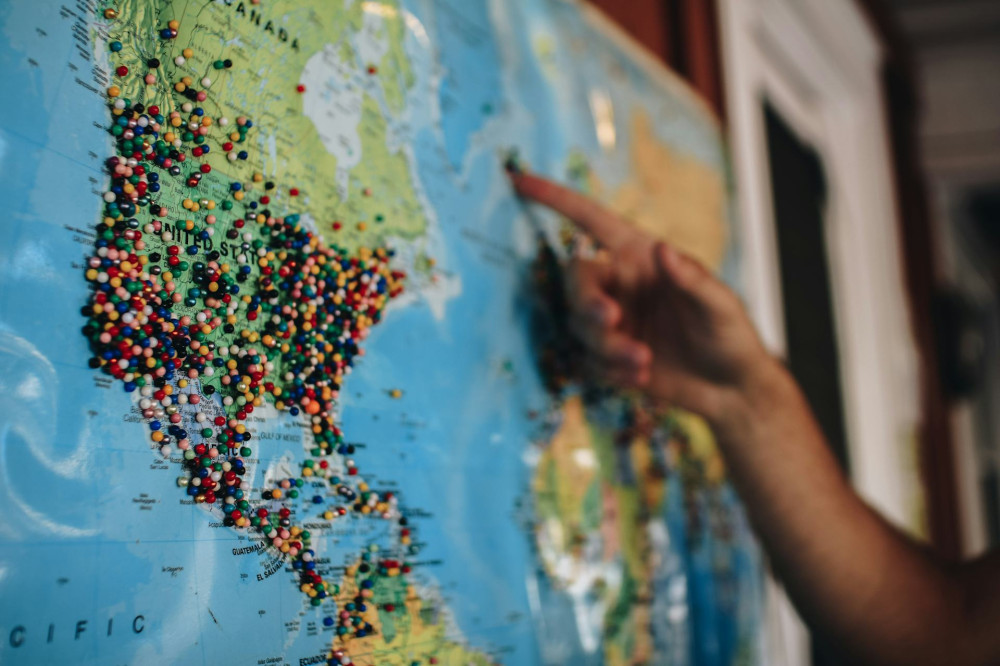
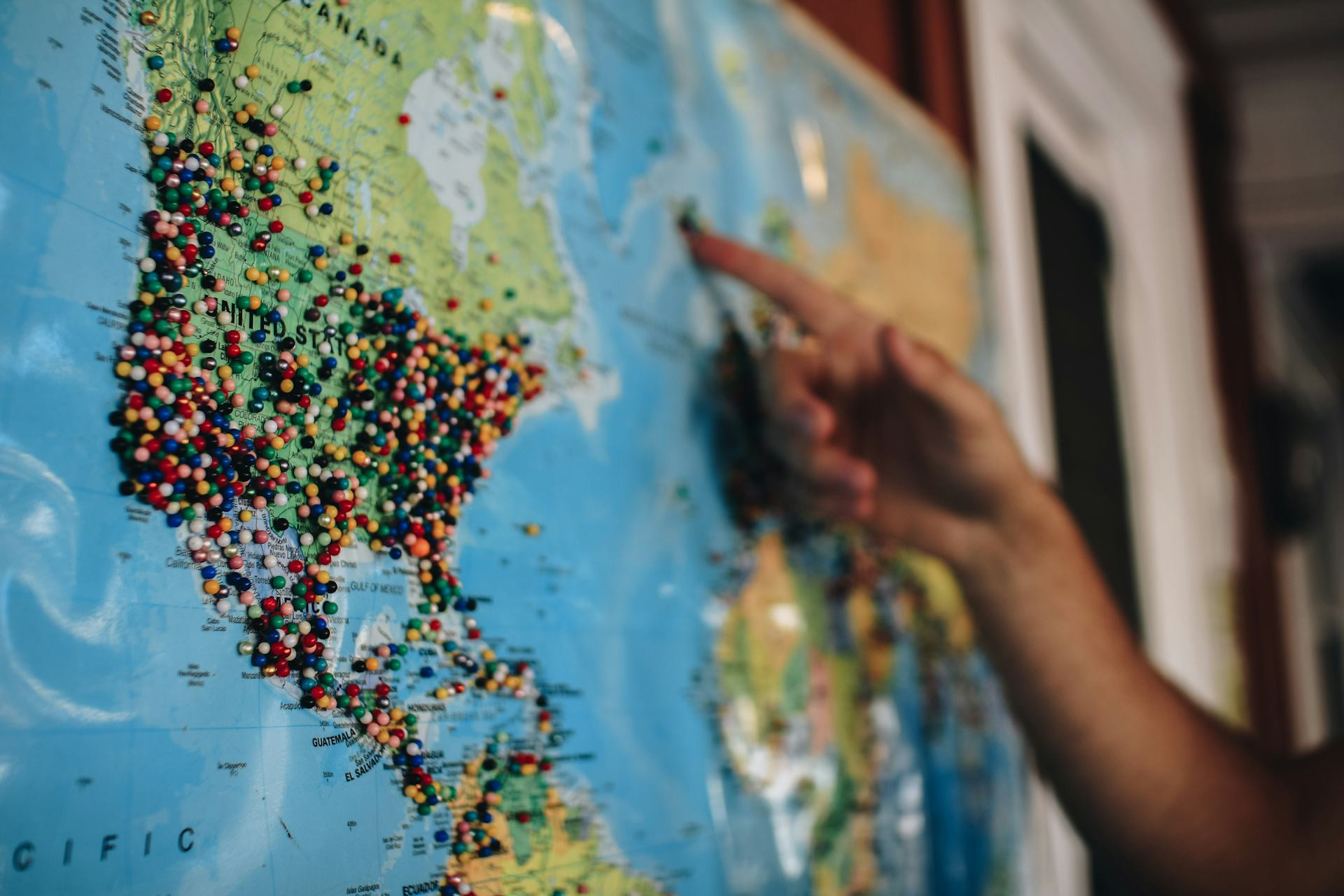
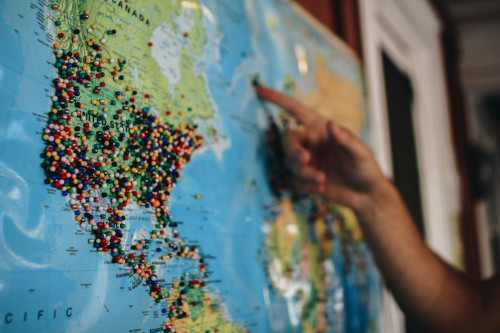
A good map is more than a way to get from point A to point B – it’s a source of curiosity and inspiration. When you unfold a paper map, you see the bigger picture in a way no screen can quite replicate. You notice connections between landscapes, cities, and routes, and often stumble upon places you didn’t even know existed.
- Paper maps bring a sense of adventure. They’re perfect for road trips, hiking, or camping, especially when you’re off the grid and can’t rely on cell service.
- Thematic maps – like wine trails, scenic byways, or national park routes – can inspire trips with a special focus.
- Digital mapping tools such as Google Maps, Apple Maps, and Gaia GPS make it easy to plan routes, save favorite spots, and find local recommendations along the way.
A great tip is to combine both: use digital maps for planning and paper maps for the journey itself. That way, you get both flexibility and a deeper connection to your surroundings.
Travel Guides That Bring the World to Life
Even in the age of endless online content, travel books still hold a special place. They offer context, storytelling, and depth that short online posts rarely match. A well-written guide can help you understand a destination’s culture, history, and people – and might even change your travel plans.
- Classic guidebooks like Lonely Planet, Fodor’s, and Rick Steves’ guides remain trusted companions, especially for practical advice and curated itineraries.
- Narrative travel books – written by explorers, journalists, or authors – provide a more personal perspective on a place. They encourage you to travel with curiosity and empathy.
- Local publications and small independent presses can be hidden gems, especially if you want to go beyond the usual tourist routes.
Use travel books as a foundation – and then let real-life experiences shape the rest of your journey.
Læs også:

Digital Tools That Simplify Planning
Today’s travelers have access to a wealth of apps and websites that can help with everything from finding affordable flights to discovering hidden gems. These tools can save time, money, and stress – and open doors to experiences you might otherwise miss.
- Trip-planning apps like Roadtrippers and TripIt help you organize routes, accommodations, and activities in one place.
- Inspiration platforms such as Atlas Obscura and Culture Trip highlight unusual attractions and local experiences off the beaten path.
- Language and translation apps like Google Translate or Duolingo make connecting with locals easier and more authentic.
- Offline features are worth exploring – many apps let you download maps and information so you can navigate without an internet connection.
Digital tools are incredibly useful, but remember to use them as a guide, not a script. Some of the best travel moments happen when you let spontaneity take the lead.
Blending the Best of Both Worlds
Modern travelers can enjoy the best of both analog and digital worlds. While maps and books offer depth and perspective, apps and online platforms provide flexibility and up-to-date information. By combining them, you can create a trip that’s both well-prepared and open to surprises.
Start by getting inspired through a book or a map, then use digital tools to refine the details. This approach gives you both structure and freedom – and might lead you to places you never expected to find.
Every Journey Begins with Curiosity
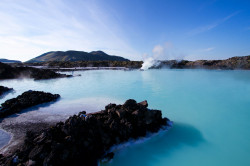
Whether you dream of exploring small towns across the U.S., taking a scenic train ride through Europe, or discovering hidden natural wonders close to home, the first step is always the same: curiosity. With the right tools – both classic and digital – you can open the world anew and find destinations that fit your travel style perfectly.
Læs også: